
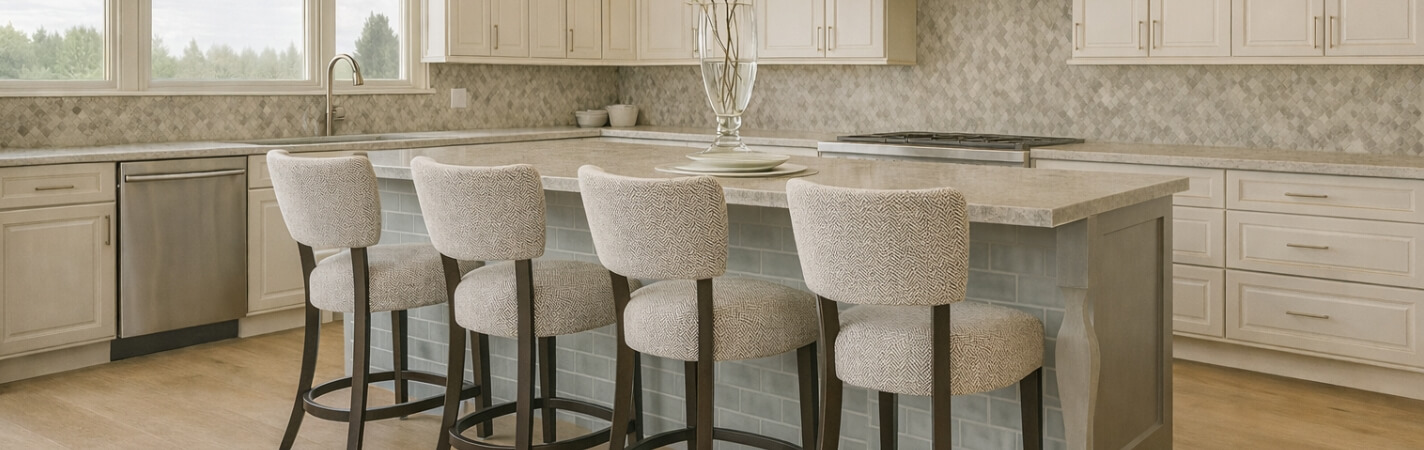
Traditional bar stools bring a sense of permanence and polish to the kitchen. Defined by classic silhouettes, thoughtful detailing, and time-honored materials, these classic bar stools feel at home in kitchens that value warmth over trends and comfort over flash.
From tailored upholstery to rich wood finishes and subtle decorative accents, traditional bar stools offer a composed, lived-in look that never feels forced. They are designed to complement cabinetry, stone countertops, and architectural details while standing up to everyday use—making them a lasting addition rather than a temporary design choice. Learn more
186 results
- "Upholstery Type" is a required field.
- "Seat Height" is a required field.
- "Wood Finish" is a required field.
- "Footplate Metal Finish" is a required field.
- "Swivel Type" is a required field.
-
 Select Options
-
 Select Options
-
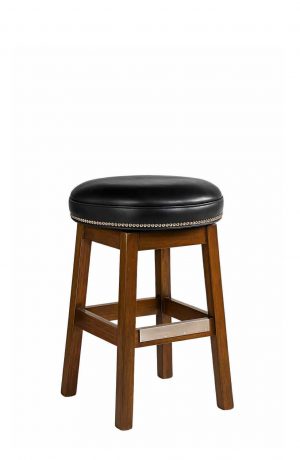 $1,229.00 Style UpholsteringSelect Options
141 Traditional Upholstered Backless Swivel Wood Stool
 (1)
(1)
-
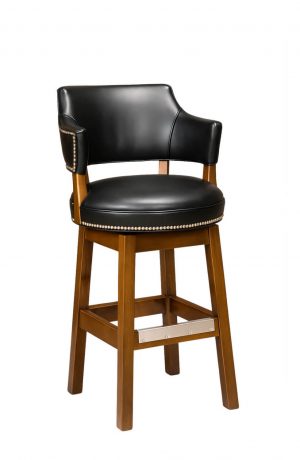 $1,599.00 Style UpholsteringSelect Options
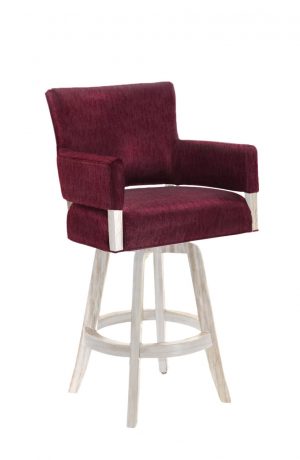
141 Traditional Upholstered Swivel Wood Stool with Arms
(2)
-
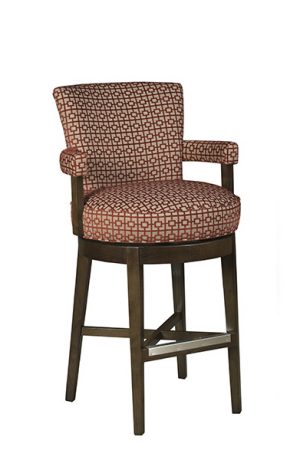 $1,640.00 Style UpholsteringSelect Options
180 Transitional Upholstered Swivel Wood Stool with Arms
(2)
-
 Select Options
-
 Select Options
-
 Select Options
-
 Select Options
-
 Select Options
-
 Select Options
-
 Select Options
-
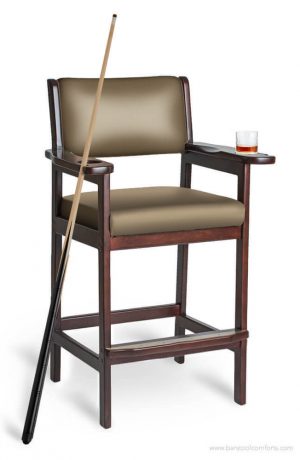 $1,440.00 DarafeevSelect Options
977 Maple Billiard Bar Stool with Arms
 (3)
(3)
-
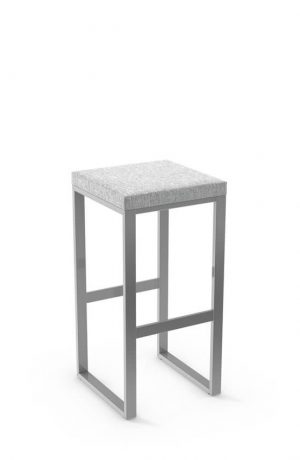 $294.00 AmiscoSelect Options
Aaron Modern Backless Stool with Seat Cushion
(4)
-
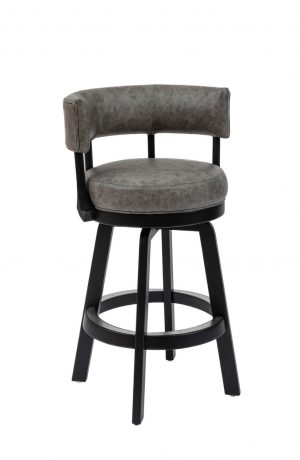 $1,170.00 DarafeevSelect Options
Ace Maple Swivel Stool with Low Back
(5)
-
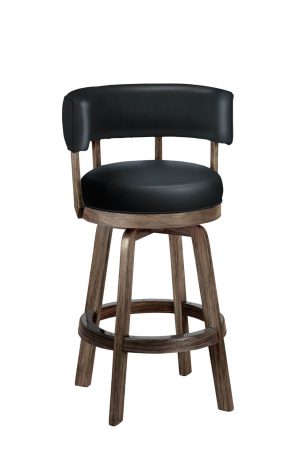 Select Options
-
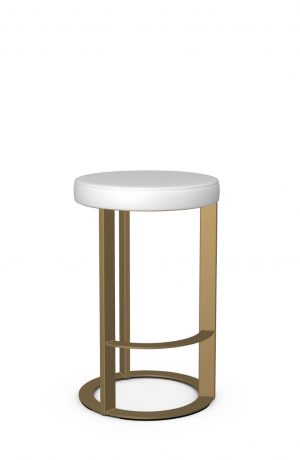 $374.00 AmiscoSelect Options
Allegro Modern Round Backless Stool with Seat Cushion
(4)
-
Sale!
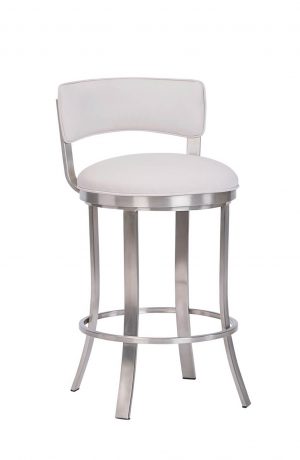 Original price was: $881.00.$792.00Current price is: $792.00. Wesley AllenSelect Options
Bali Swivel Low Back Stool in Silver Stainless Steel
(1)
-
Sale!
 Select Options
-
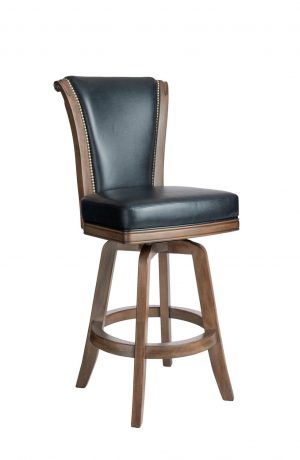 $2,070.00 DarafeevSelect Options
Classic Maple Flexback Upholstered Swivel Stool
(1)
-
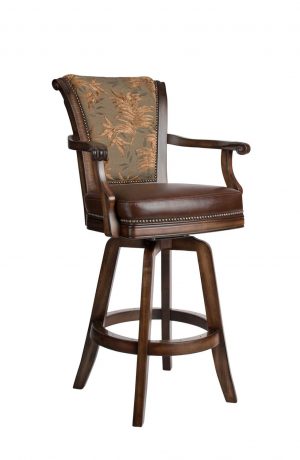 $2,250.00 DarafeevSelect Options
Classic Maple Upholstered Swivel Stool with Arms
(4)
-
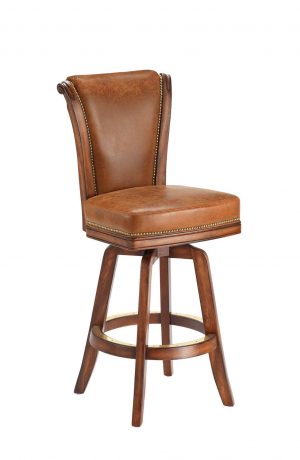 $2,700.00 DarafeevSelect Options
Classic Oak Flexback Upholstered Swivel Stool
(1)
-
 Select Options
-
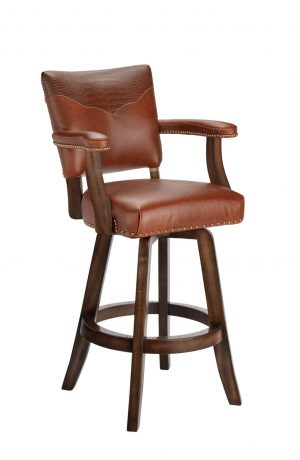 $1,970.00 DarafeevSelect Options
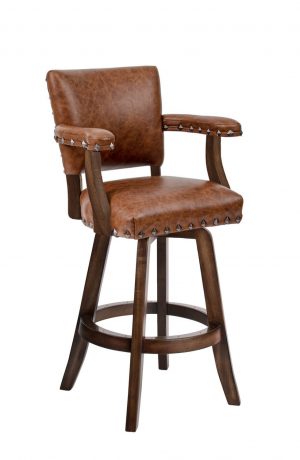
El Dorado II Maple Stetson Upholstered Swivel Stool with Arms
(1)
-
 Select Options
-
 $1,970.00 DarafeevSelect Options
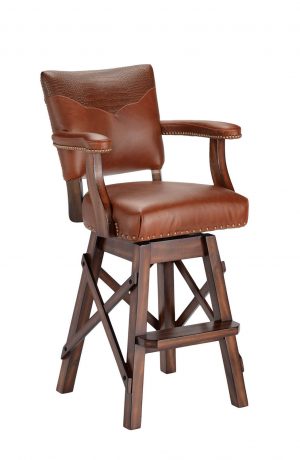
El Dorado Maple Stetson Upholstered Swivel Stool with Arms
 (1)
(1)
-
 $1,800.00 DarafeevSelect Options
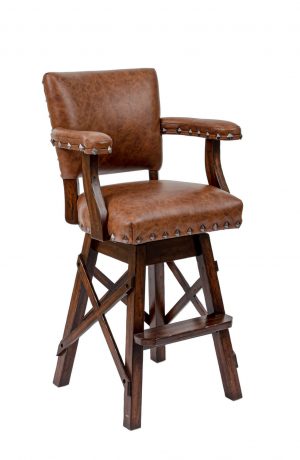
El Dorado Maple Upholstered Swivel Stool with Arms
(4)
-
 Select Options
-
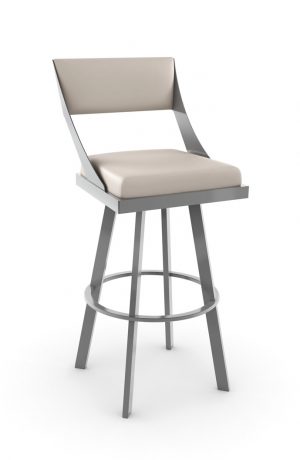 $468.00 AmiscoSelect Options
Fame Modern Swivel Bar Stool with Back
(27)
-
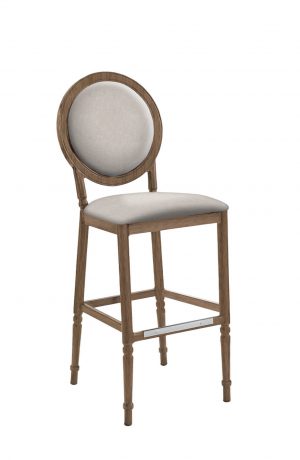 Select Options
-
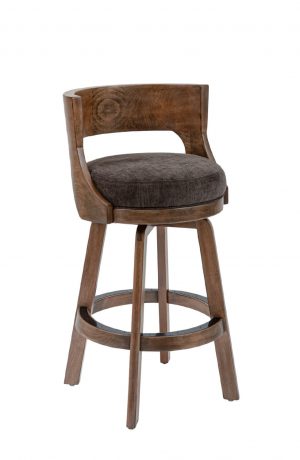 $1,350.00 DarafeevSelect Options
Gen Maple Swivel Stool with Low Back
(1)
-
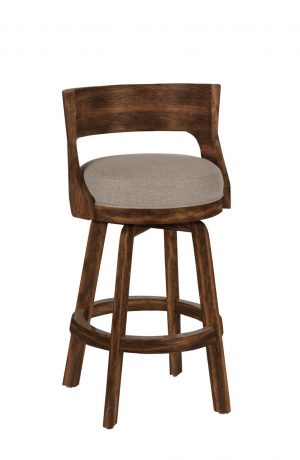 Select Options
-
Sale!
 Select Options
-
 Select Options
-
 Select Options
-
 Select Options
-
Select Options
-
Sale!
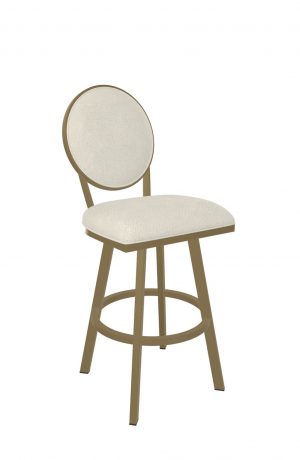 Select Options
-
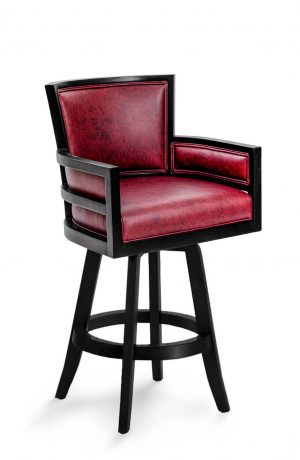 $1,710.00 DarafeevSelect Options
Metra Upholstered Swivel Stool with Arms
(1)
-
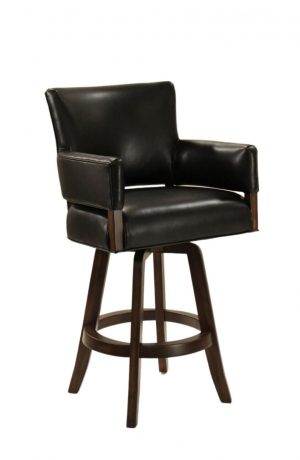 $1,710.00 DarafeevSelect Options
Mod Upholstered Swivel Stool with Arms
(3)
-
Sale!
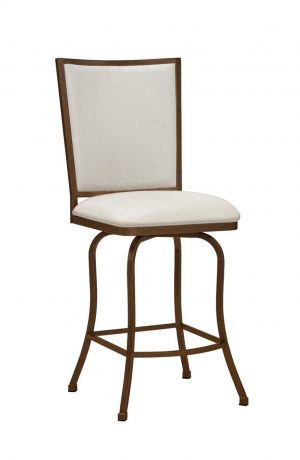 Original price was: $750.00.$701.00Current price is: $701.00. Wesley AllenSelect Options
Morrison Swivel Stool with High Back
(4)
-
Sale!
 Select Options
-
Sale!
 Select Options
-
 Select Options
-
 Select Options
-
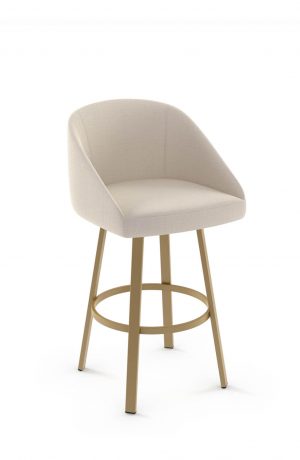 $739.00 AmiscoSelect Options
Wembley Modern Upholstered Swivel Stool with Back
(6)




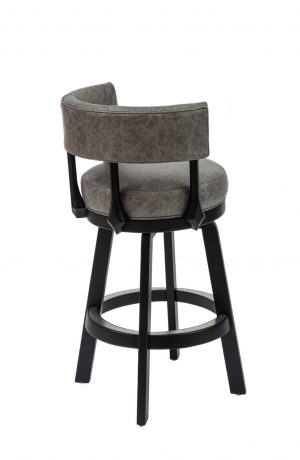
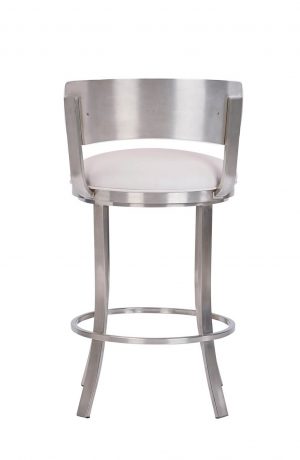

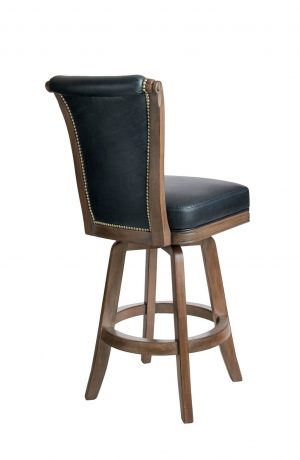
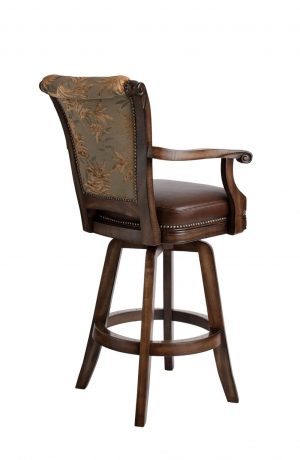










Essential Design Elements of a Traditional Kitchen
Traditional kitchens are rooted in architectural detail, balanced proportions, and materials chosen for longevity. Crown molding, raised-panel cabinetry, and stone countertops form the foundation of the style, creating a space that feels structured yet inviting.
Cabinetry plays a defining role and is often made from, or finished to resemble, classic hardwoods such as cherry, mahogany, maple, or birch. These finishes echo the look of fine furniture rather than purely functional storage.
To maintain a cohesive traditional aesthetic, prioritize enduring details over short-lived trends. Beveled or bullnose countertop edges, wood flooring that complements cabinetry, and thoughtfully selected seating help preserve a timeless, well-composed look.
Classic Bar Stool Styles for Traditional Interiors
A few classic barstool styles seamlessly complement traditional spaces. These include:
Fully Upholstered Parsons Stools for a Refined Look
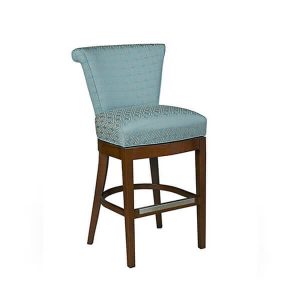
Parsons-style bar stools are defined by their fully upholstered seats and backs, paired with clean, structured frames. Their tailored profile introduces softness without ornamentation, making them well-suited for traditional kitchens that lean polished rather than ornate.
Upholstery allows for subtle customization—introducing texture, leather, or performance fabric—while maintaining a composed silhouette that works beautifully at kitchen islands and bars.
Barrel Back Stools: Ergonomic Curves Inspired by Heritage
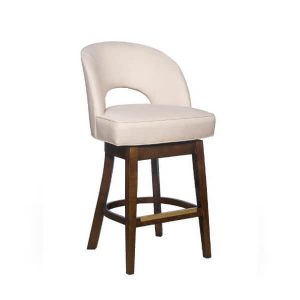
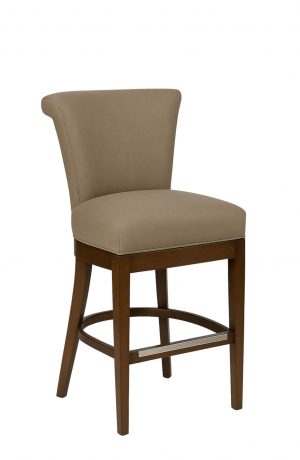
Barrel back bar stools are recognized for their gently curved backs, designed to follow the natural contours of the body. This rounded form adds visual warmth and provides comfortable support, making them a natural fit for kitchens and home bars designed for gathering.
Their classic shape references traditional craftsmanship while offering a slightly softer alternative to straight-backed designs.
Mixed Material Designs: Combining Warm Wood with Subtle Metal
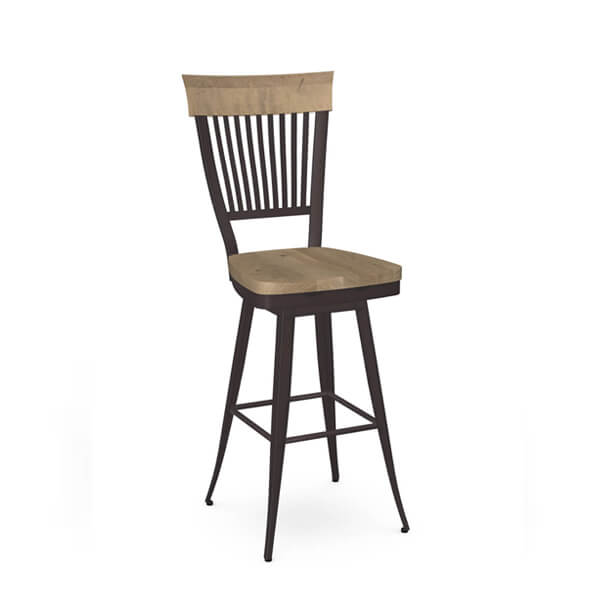
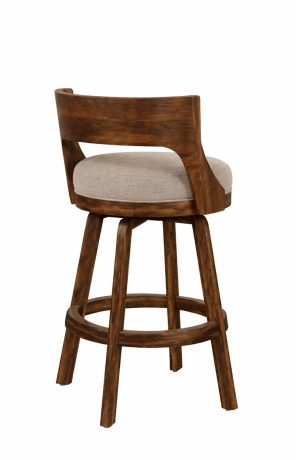
Traditional bar stools that combine wood and metal strike a thoughtful balance between structure and warmth. Wood back slats or frames pair with metal bases to add contrast without overpowering the surrounding cabinetry.
For a traditional setting, look for restrained designs with minimal metal detailing. Coordinating wood tones with cabinetry and metal finishes with lighting or hardware helps create a cohesive, intentional look.
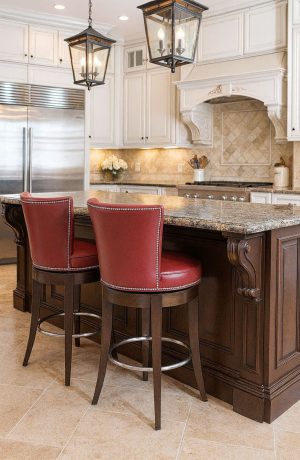
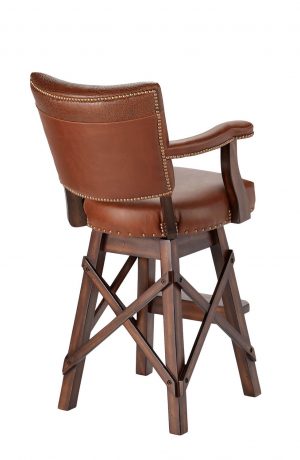
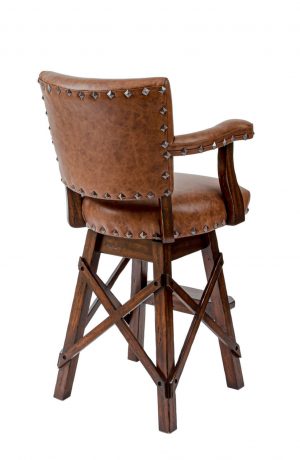
The Timeless Appeal of Nailhead Trim and Leather Upholstery
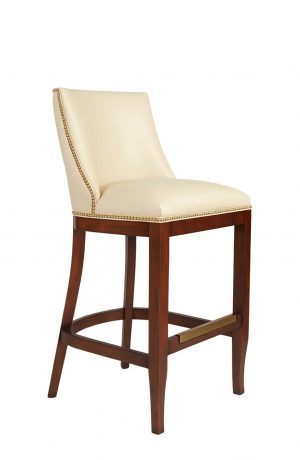
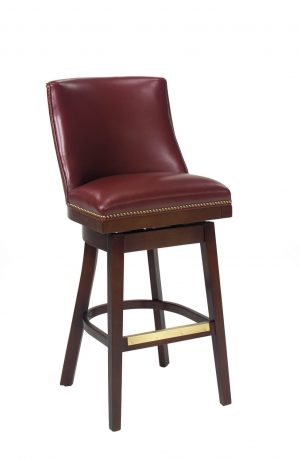
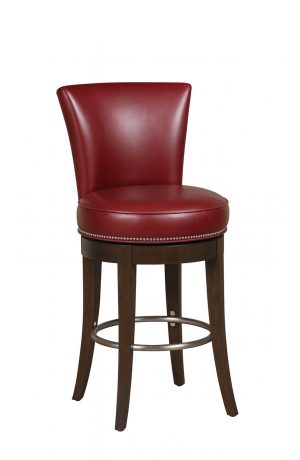
Nailhead detailing and leather upholstery are hallmarks of classic traditional seating. These elements introduce texture and depth while reinforcing a sense of heritage and craftsmanship.
Often associated with club-style interiors and refined homes, nailhead-trimmed stools work particularly well in kitchens that favor rich finishes, layered neutrals, and enduring materials.
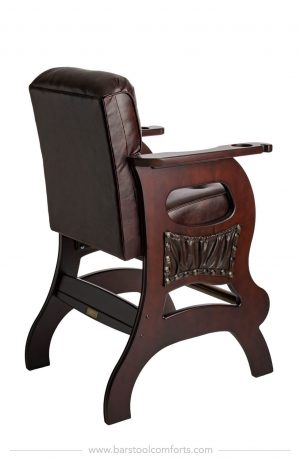
Traditional Swivel Bar Stools with Supportive Backs
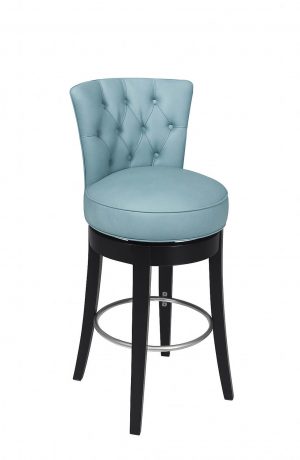
Swivel bar stools with backs offer comfort and ease of movement without compromising a traditional aesthetic. The swivel function allows for effortless interaction, making them well-suited for kitchens designed for conversation and daily use.
When paired with classic silhouettes and traditional finishes, swivel stools feel purposeful rather than casual—ideal for family kitchens and entertaining spaces alike.
Traditional Color Palettes and Finish Pairings
Classic Wood Stains and Cabinet Finishes
Wood tones like brown cherry, red cherry, maple, and walnut are staples for cabinetry, flooring, and island bases. A trend that remains timeless is off-white cabinetry, often complemented by an island base painted in a matching shade.
Flooring and Countertop Coordination
Floors can be a fantastic medium to introduce contrast. Consider juxtaposing an off-white cabinet set with a rich walnut-stained floor. This strategy not only enhances depth but also breaks the monotony.
Your countertop selection should resonate with your floor. For instance, if you’ve chosen a walnut floor, opt for walnut-stained countertops or go for granite infused with neutral-colored flecks and swirls.
Choosing Bar Stool Colors That Tie the Room Together
Barstools can be the subtle bridge that ties together countertops and cabinetry. Embrace a two-toned color approach: if the granite countertop has brown flecks, mirror this in the metal finish of the stool. Complement off-white cabinets with similar tones in your stool upholstery.
Traditional Bar Stool Height Guide
Selecting the correct seat height ensures comfort, proportion, and proper clearance beneath counters and bars.
- Traditional counter stools: Seat heights from 24 to 26 inches, ideal for kitchen counters.
- Traditional bar stools: A standard seat height of 30 inches, perfect for bar counters.
- Traditional spectator stools: Elevated seat height of 34 inches, suitable for higher counters or spectator viewing.
- Traditional extra-tall stools: The tallest options with seat heights of 36 to 37 inches, ideal for very high counters.
Need Guidance? We’re Here to Help!
Selecting traditional bar stools is about proportion, finish, and long-term comfort. If you’d like a second opinion, feel free to send photos of your kitchen or bar space. We’re happy to help you choose seating that feels considered, cohesive, and built to last.
FAQs About Traditional Bar Stools
What is the difference between a traditional counter stool and a traditional bar stool?
Traditional counter stools typically have seat heights between 24 and 26 inches and are designed for standard kitchen counters. Traditional bar stools have a 30-inch seat height and are intended for bar-height surfaces. Choosing the correct height ensures comfortable seating and proper legroom.
How much space should I leave between traditional bar stools?
Allow approximately 26 to 30 inches between each stool for comfortable seating and ease of movement. Spacing may vary slightly depending on whether stools have arms or wider seats.
Are leather or fabric stools better for traditional kitchens?
Both materials work well in traditional kitchens. Leather offers a classic, tailored look and is easy to maintain, while fabric provides softness and allows for more texture and pattern. The choice often depends on lifestyle needs and the overall finish palette of the space.
What defines a traditional-style bar stool?
Traditional bar stools are characterized by classic silhouettes, supportive backs, quality materials, and subtle decorative details such as upholstery, wood finishes, or nailhead trim. They are designed to complement architectural elements rather than stand apart from them.