
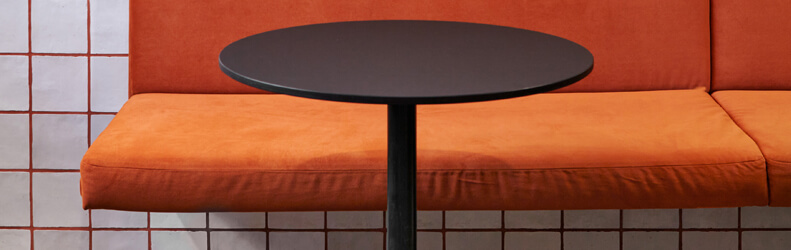
Commercial Restaurant Tables Built for Real-World Use
Running a restaurant means dealing with constant traffic, tight layouts, and furniture that needs to hold up day after day. Our commercial restaurant tables are made to handle it all.
From compact café tables to larger group dining setups, you’ll find sizes, heights, and materials that work with your floor plan. If you’re opening a new space or upgrading your current layout, these tables are designed to support smooth service and a better guest experience.
- Built for high-traffic commercial use
- Multiple sizes, heights, and layouts
- Designed for restaurants, cafés, and hospitality spaces
Explore options below or use our guide to find the right fit for your space.
9 results
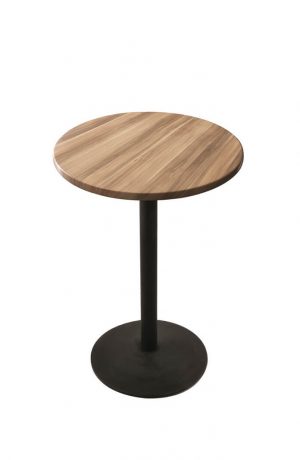
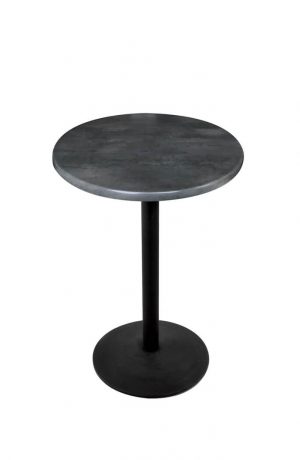
 (1)
(1)
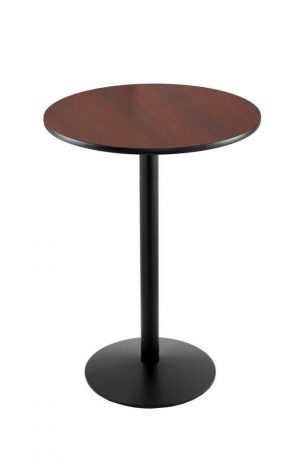

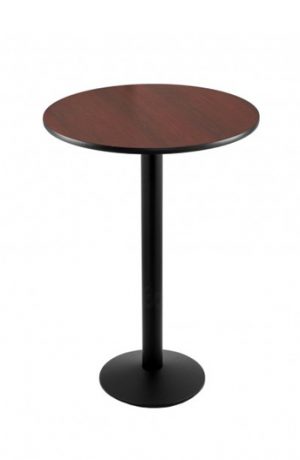
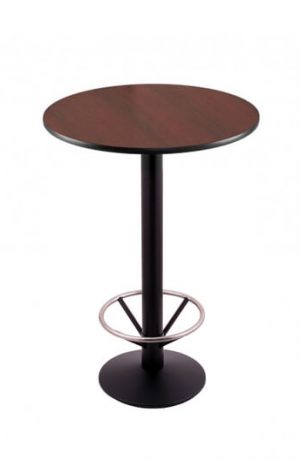
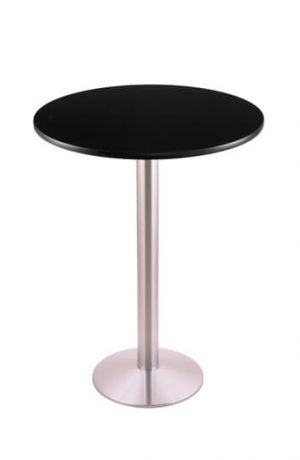
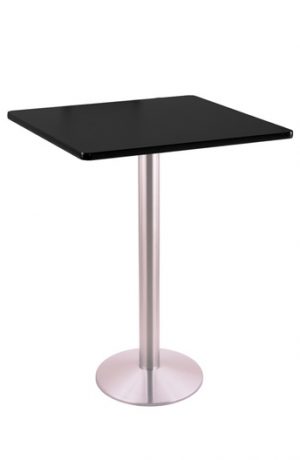
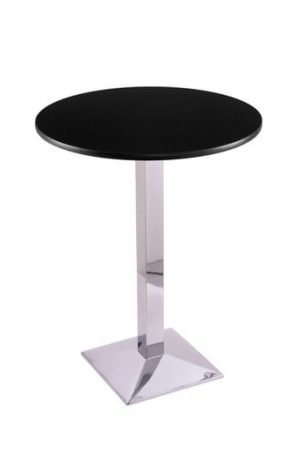
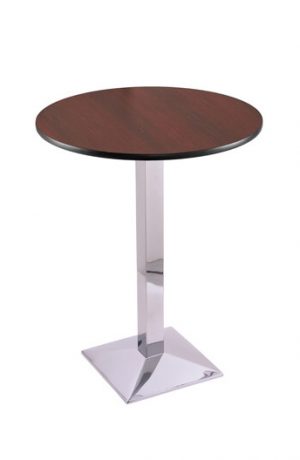
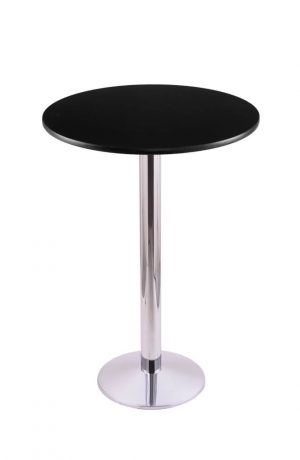
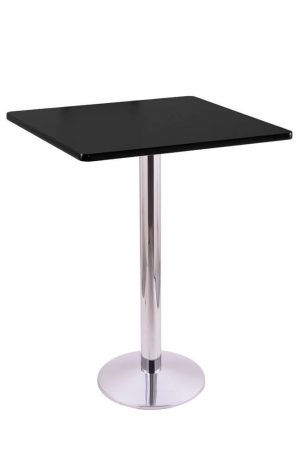
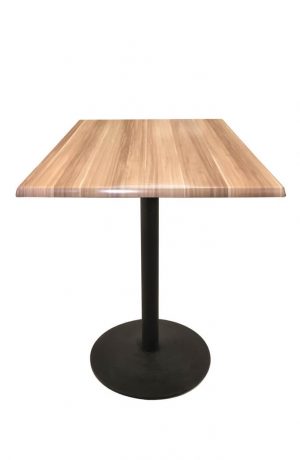
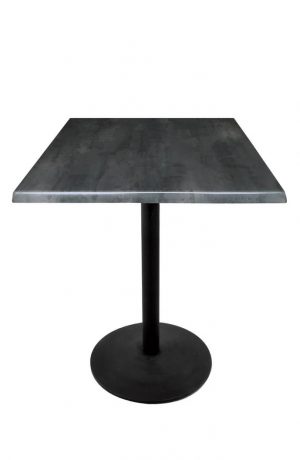
 (3)
(3)
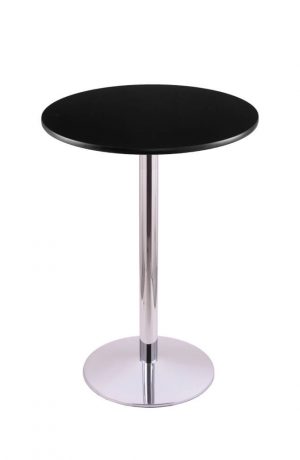
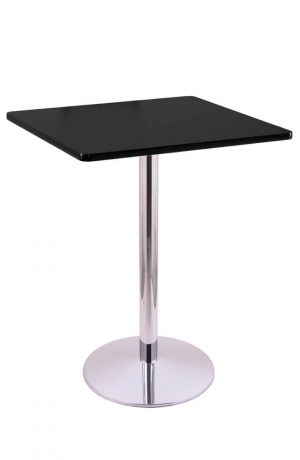
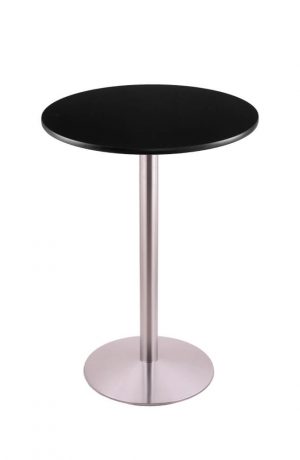
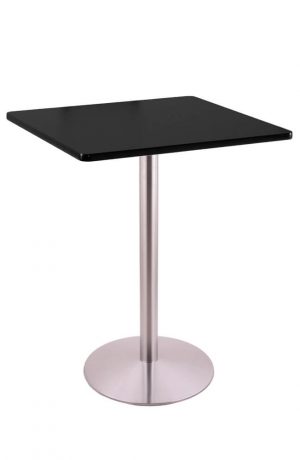
Restaurant Table Heights
Selecting the right table height plays a big role in comfort, flow, and the overall feel of your space.
Dining Height (30”)
- Standard height for most restaurants
- Works with dining chairs
- Best for full-service dining and longer settings
Best for:
- Restaurants
- Cafés
- Bakeries
- Casual dining spaces
Counter Height (36”)
- Slightly elevated for a more modern feel
- Pairs with counter stools
- Helps create visual variation in layouts
Best for:
- Coffee shops
- Fast casual restaurants
- Mixed seating layouts
Bar Height (42”)
- Tall, social-style seating
- Pairs well with bar stools
- Encourages quick turnover and casual interaction
Best for:
- Bars and lounges
- High-top dining areas
- Waiting areas
Choosing the Right Table Shape
The shape of your tables affects traffic flow, seating capacity, and how guests interact.
Round Restaurant Tables
If you’re working with limited space or want better guest interaction, round tables are often the easiest choice.
- Common sizes: 24” and 30” diameter
- No sharp corners for better flow
- Easier to fit into tighter layouts
Best for:
- Small dining areas
- Cafés
- Flexible seating arrangements
Square Restaurant Tables
A versatile option that can stand alone or be combined.
- Common sizes: 30” x 30”, 36” x 36”
- Easy to push together for larger groups
- Clean, structured layout
Best for:
- Two-person seating
- Modular layouts
- Restaurants needing flexibility
Rectangular Restaurant Tables
Designed for larger groups and higher seating capacity.
- Common size: 30” x 48”
- Maximizes seating per table
- Ideal for longer dining surfaces
Best for:
- Family-style dining
- Group seating
- Restaurants and hotel dining rooms
Specialized Commercial Tables
Different business types require different table solutions. These options are tailored to specific environments.
Coffee Shop & Café Tables
Create a comfortable, functional space where guests can relax or work.
- Typically 30” dining height
- Designed for longer stays
- Available in a range of finishes and sizes
Best for:
- Coffee shops
- Dessert shops
- Co-working cafés
Outdoor & Patio Tables
Built to handle weather, moisture, and temperature changes.
- Weather-resistant materials
- Designed for year-round use
- Easy to clean and maintain
Best for:
- Restaurant patios
- Rooftop seating
- Courtyards
Indoor & Multi-Purpose Tables
Flexible solutions for a wide range of commercial settings.
- Suitable for high-traffic environments
- Available in multiple finishes to match your space
- Designed for durability and long-term use
Best for:
- Restaurants
- Bakeries
- Fast food spaces
- Retail cafés
Restaurant Table Seating Guide (Quick Sizing Chart)
| Table Size | Seats Comfortably | Best Use Case |
|---|---|---|
| 24″ Round | 2 people | Small cafés, tight spaces |
| 30″ Round | 2–3 people | Coffee shops, casual seating |
| 30″ Square | 2–4 people | Flexible restaurant layouts |
| 36″ Square | 4 people | Small group dining |
| 30″ x 48″ Rectangular | 4–6 people | Restaurants, group seating |
| 42″ Bar Height | 2–4 people | Bars, high-top areas |
FAQs About Commercial Restaurant Tables
What is the difference between residential and restaurant tables?
Commercial restaurant tables are built for durability and frequent use. They typically use stronger materials, reinforced construction, and finishes designed to withstand spills, cleaning, and heavy traffic.
Can I buy restaurant tables and chairs as a set?
Yes, many restaurant tables can be paired with matching chairs or stools. Choosing coordinated seating helps maintain consistency in design and ensures proper height alignment.
How do I choose the right size restaurant dining table for my floor plan?
Start by measuring your space and allowing for proper clearance between tables (typically 18–24 inches between chairs and walkways). Smaller tables work well for flexibility, while larger tables maximize seating capacity.
What materials are best for high-traffic commercial tables?
Common materials include:
Solid wood for durability and warmth
Laminate for easy cleaning and cost efficiency
Metal bases for strength and stability
The right choice depends on your concept, traffic level, and maintenance needs.
Do these tables come pre-assembled?
This depends on the manufacturer. Many commercial tables ship with bases and tops separate for easier transport and installation, but assembly is typically straightforward.
What size restaurant table seats 4 people?
A 30” x 48” rectangular table or a 36” square table is typically ideal for seating four people comfortably. These sizes provide enough surface area for place settings, drinks, and shared items without feeling cramped.
For round options, a 36”–42” diameter table can also seat four, though 42” gives guests a bit more elbow room.
If your goal is faster turnover or tighter layouts, you can go slightly smaller—but for a more relaxed dining experience, giving guests a little extra space goes a long way.
How much space should you leave between restaurant tables?
A good rule of thumb is to leave 18–24 inches between chairs at adjacent tables, and at least 36 inches for walkways to allow servers and guests to move comfortably.
For tighter spaces like cafés, you can lean closer to 18 inches, while full-service restaurants often benefit from more spacing to create a better overall experience.
Planning the right spacing helps avoid overcrowding, improves traffic flow, and makes your space feel more comfortable—even during busy hours.