
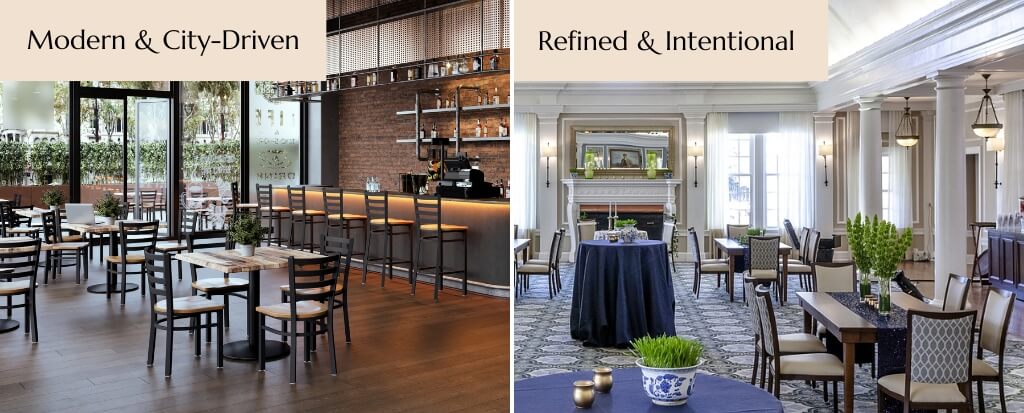
Summary Brand identity in hospitality isn’t built on logos alone. Furniture choices—such as minimalist chairs, plush seating, rustic wood, or eco-friendly materials—quietly communicate a restaurant or hotel’s values and atmosphere the moment guests enter. This article explores how commercial furniture helps shape perception, influence guest experience, and reinforce a cohesive brand identity.
Brand identity isn’t built on logos and color palettes alone.
In hospitality spaces such as restaurants, hotels, and country clubs, commercial furniture choices play a direct role in shaping perception the moment guests walk through the door.
Seating style, materials, and layout quietly communicate values—modern, luxurious, authentic, or community-driven—without saying a word. This is how furniture reflects brand identity in real, tangible ways.
When done well, furniture becomes more than a functional necessity. It becomes furniture as brand expression.
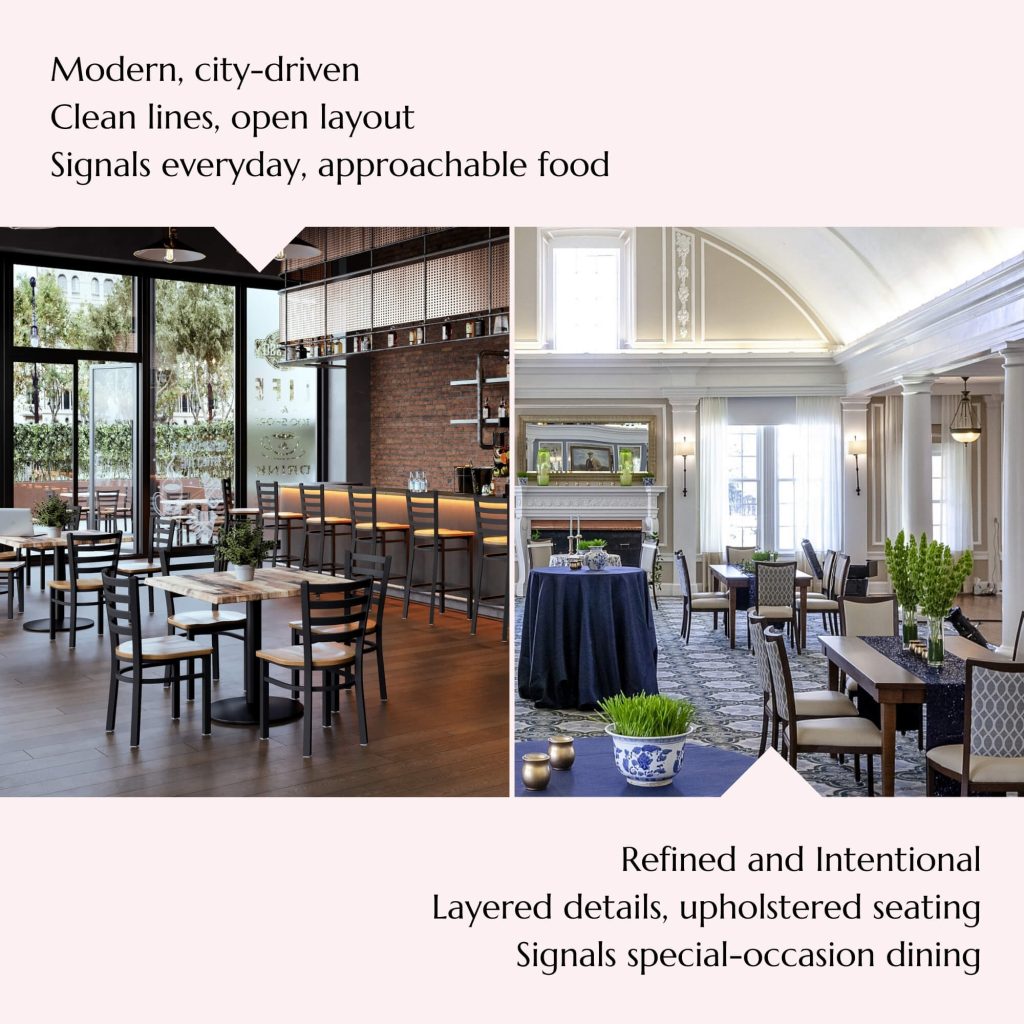
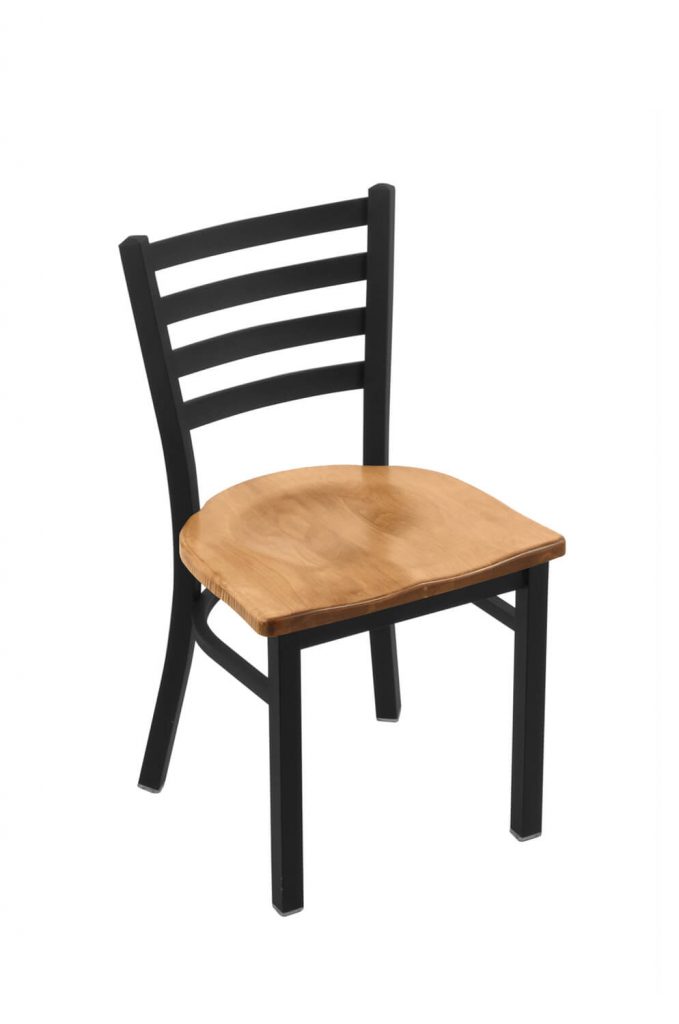
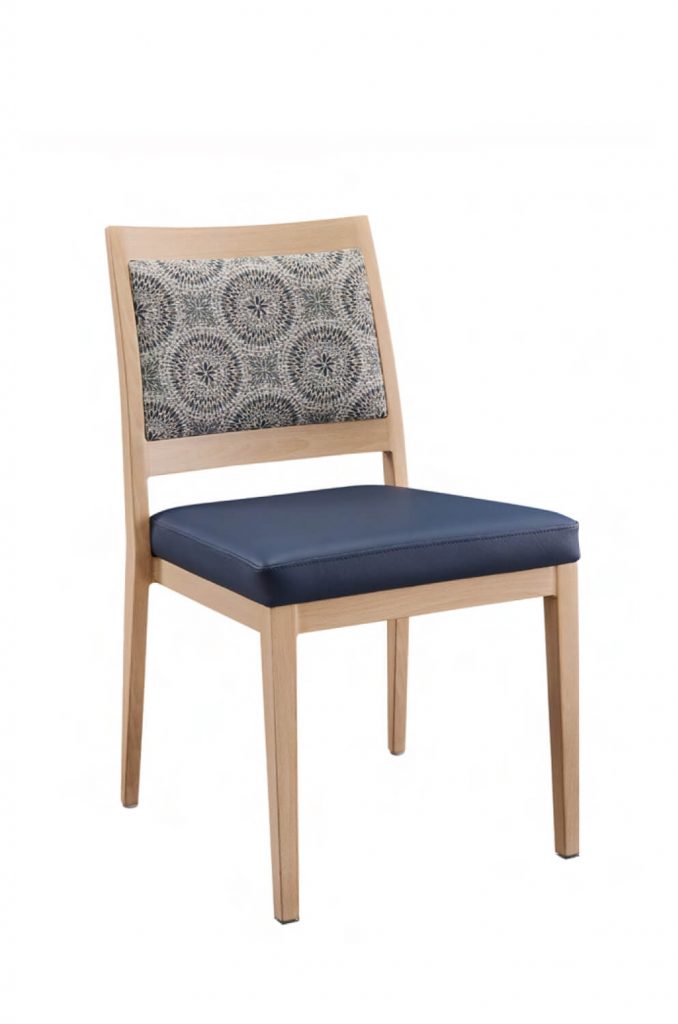
Minimalist Chairs: Modern Restaurant Brand Identity
Clean lines, slim profiles, and neutral finishes often signal innovation and efficiency. Minimalist commercial seating is common in tech cafés, co-working spaces, and fast-casual concepts that want to feel current and uncluttered.
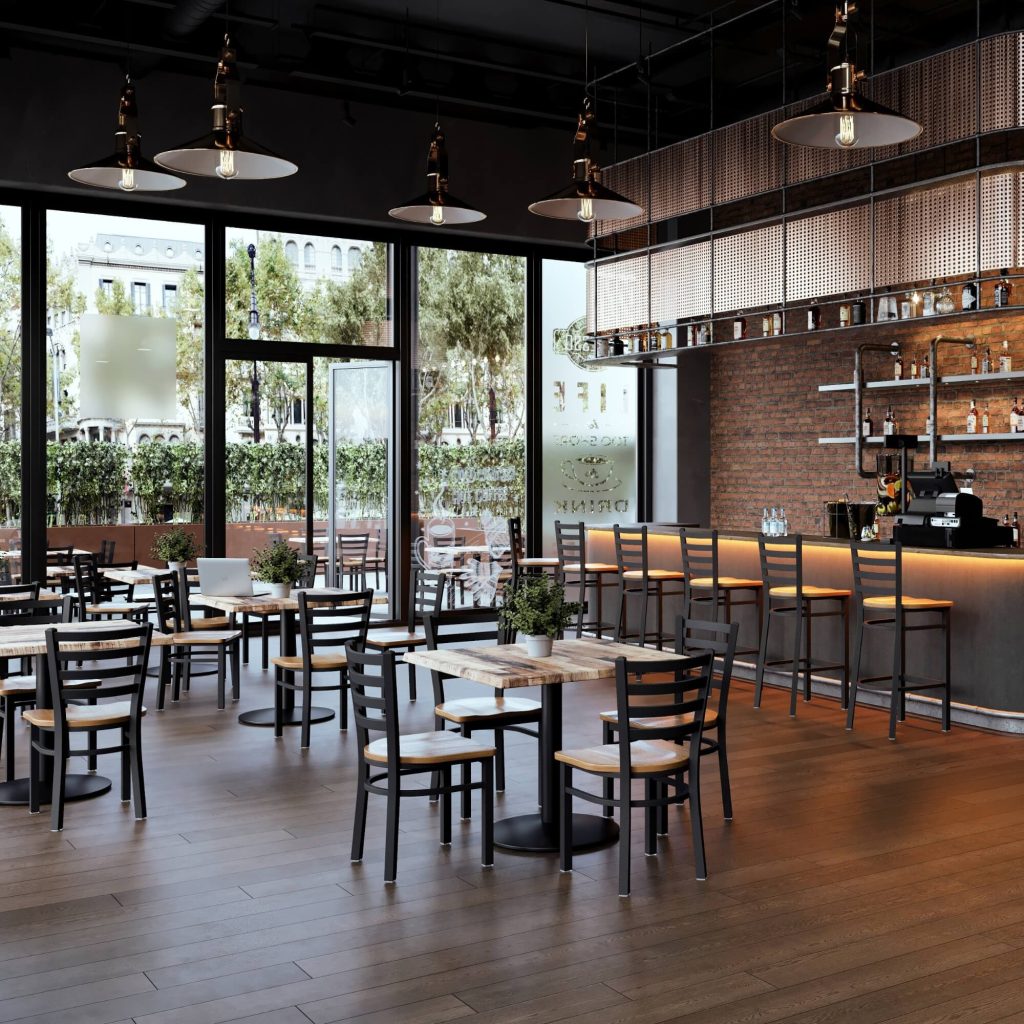
Minimalist chairs for restaurants reinforce a restaurant brand identity built around:
- Simplicity
- Speed
- Contemporary thinking
The space feels intentional and forward-looking—ideal for hospitality brands focused on modern credibility and streamlined experiences.
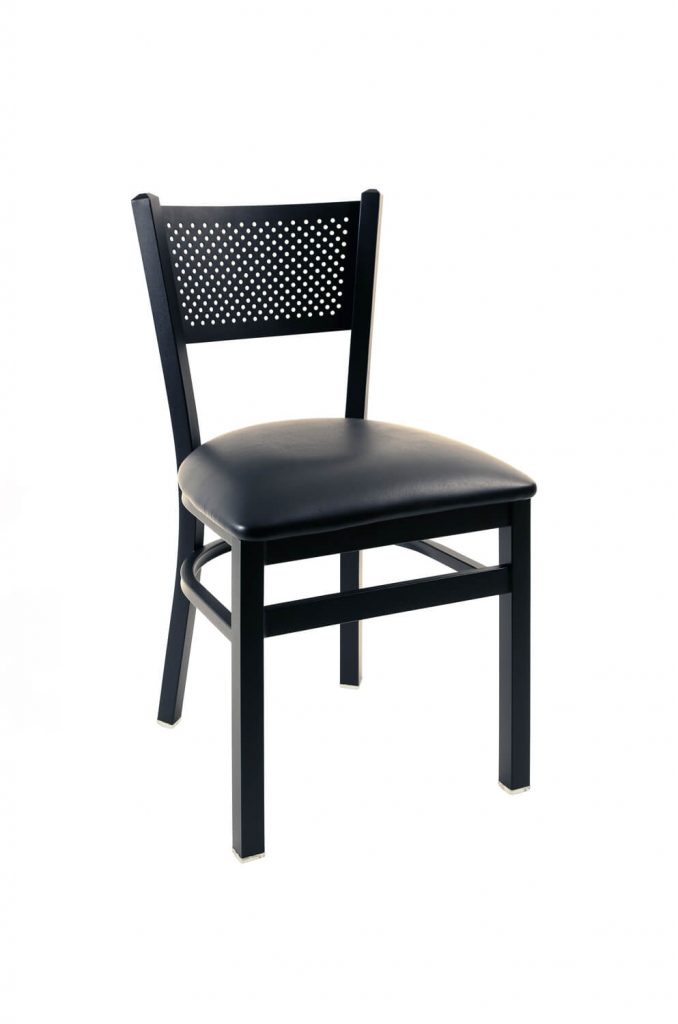
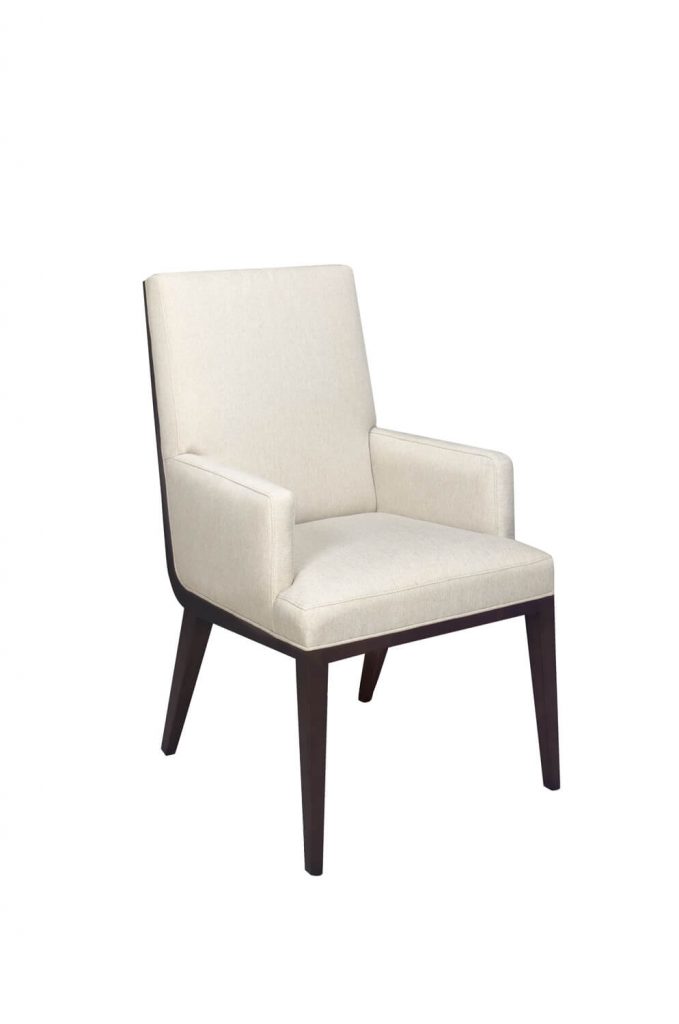
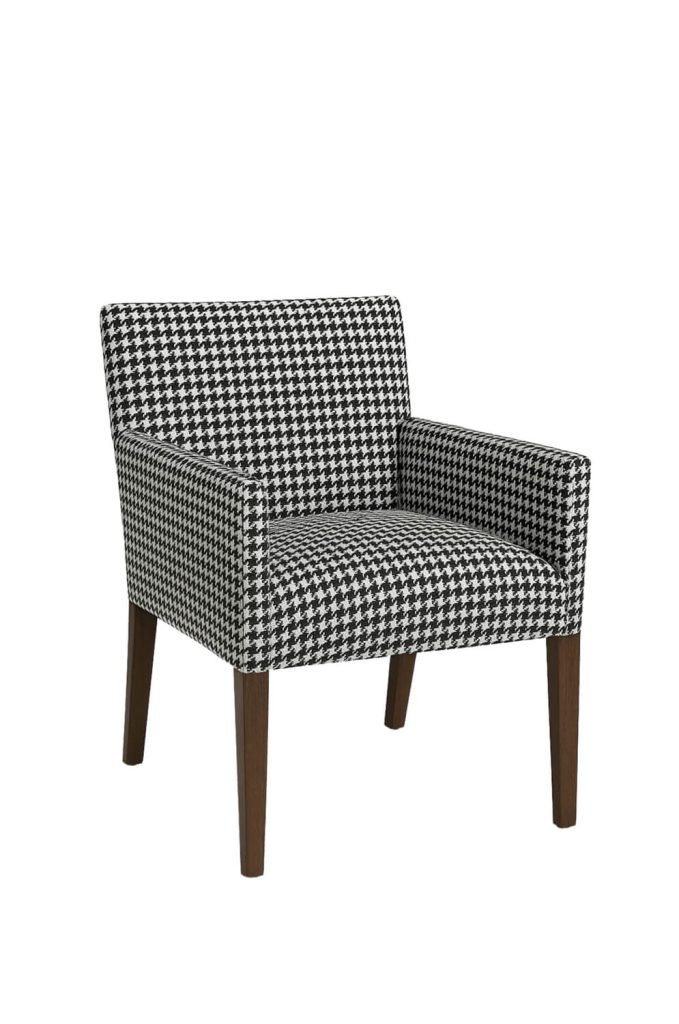
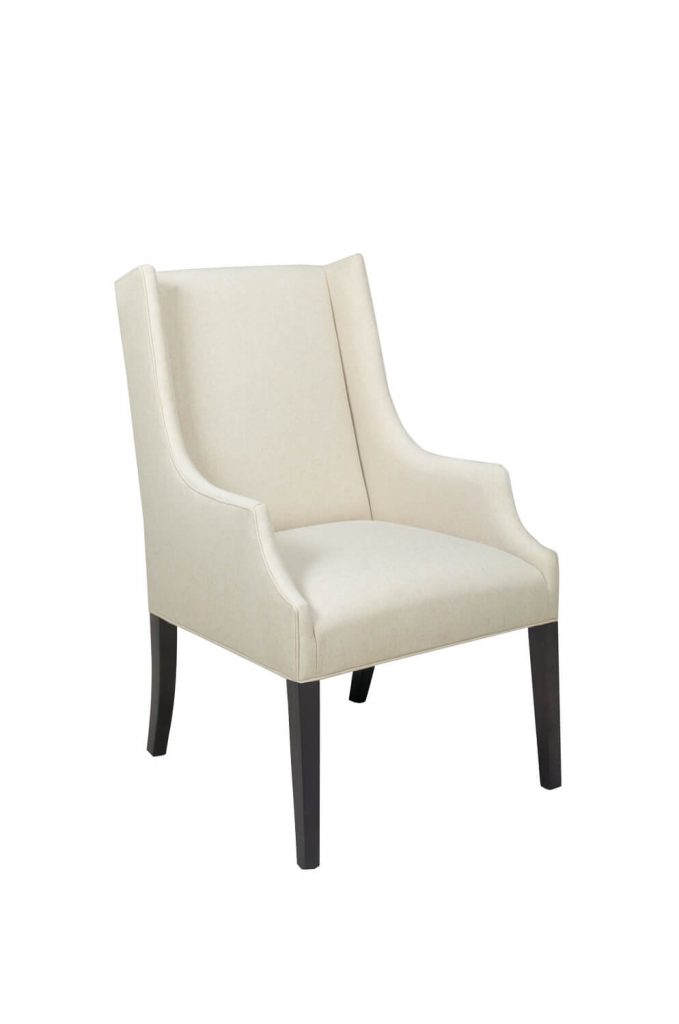
Plush Armchairs: Comfort and Perceived Luxury
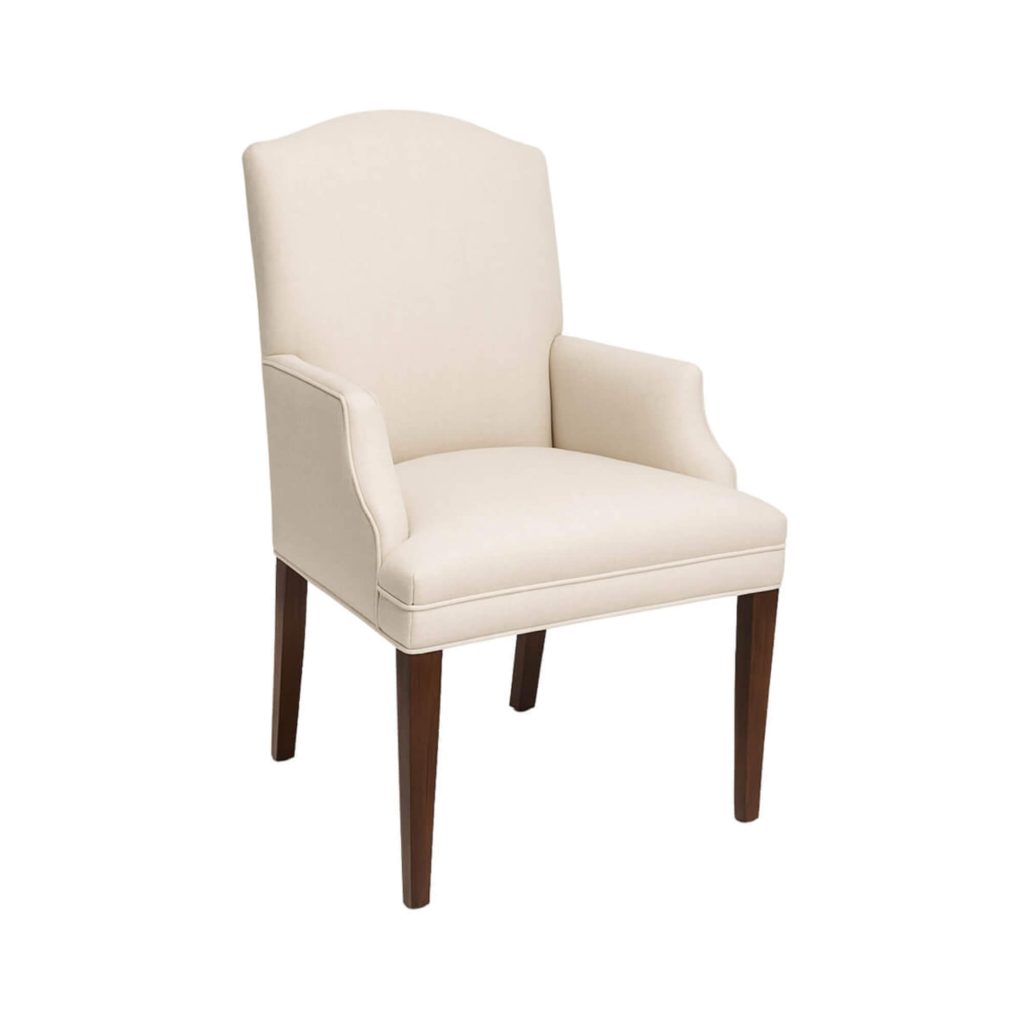
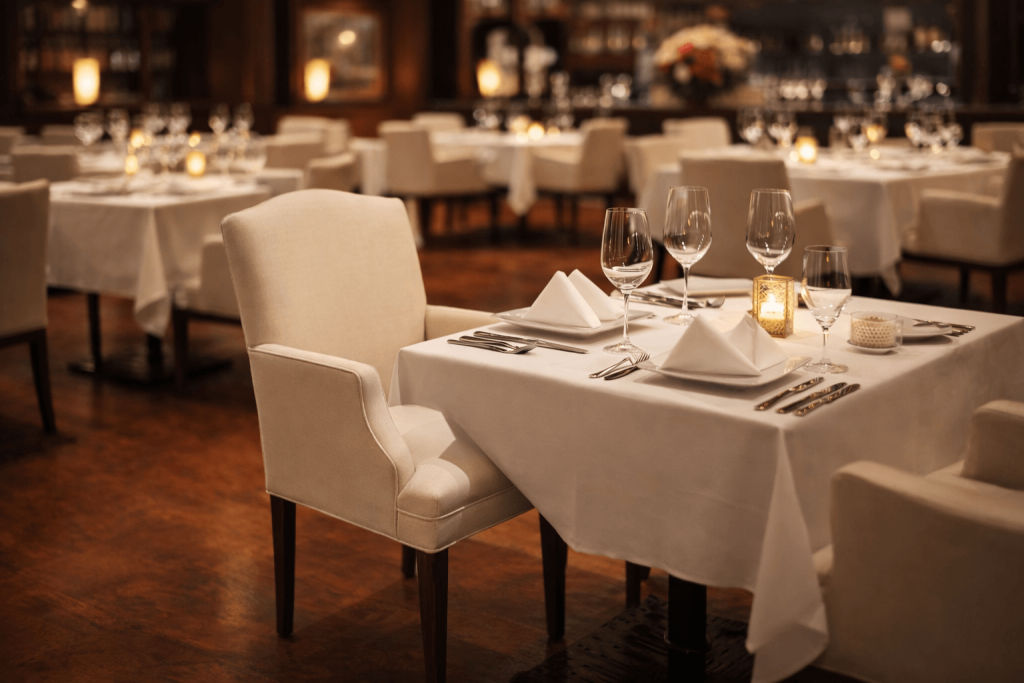
Deep seats, upholstered arms, and rich textures immediately communicate comfort and exclusivity. Fine dining restaurants, cocktail lounges, and wine bars often rely on plush commercial dining chairs to slow the pace and encourage guests to settle in.
This approach to hospitality brand design supports identity elements such as:
- Premium service
- Attention to detail
- Emotional comfort
Guests linger longer—and that lingering reinforces perceived value.
Rustic Wood Furniture: Authenticity and Craft
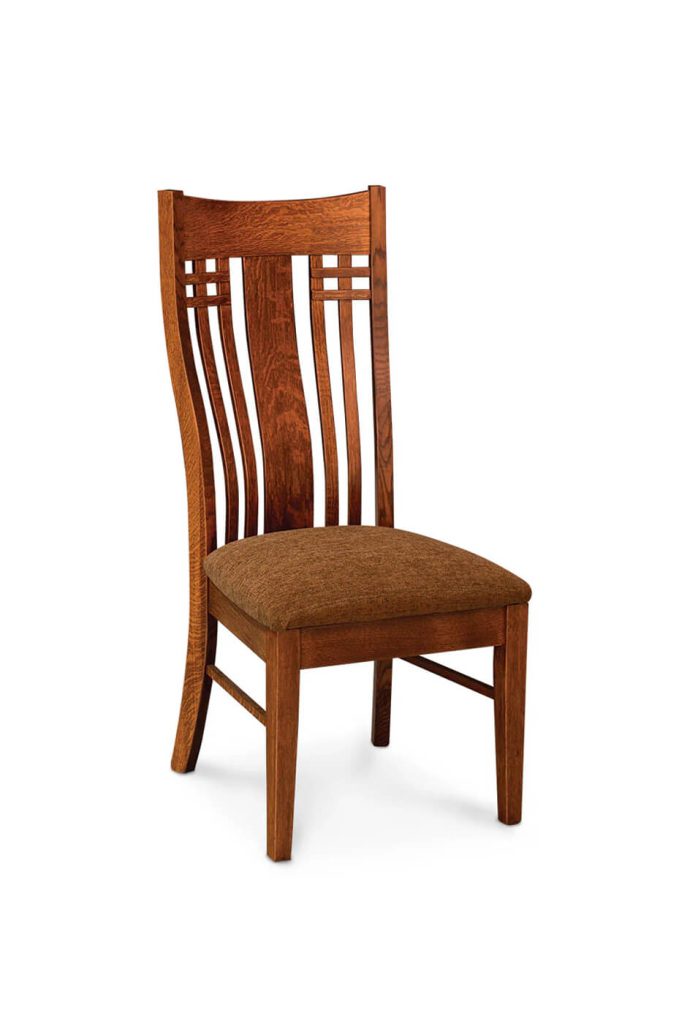
Natural wood finishes and visible grain often align with farm-to-table restaurants, breweries, and chef-driven concepts. These choices suggest honesty, warmth, and connection to origin.
Rustic commercial furniture supports branding centered on:
- Authentic experiences
- Craftsmanship
- Transparency
It tells customers, “What you see is real.”
Eco-Friendly Materials: Sustainability in Action
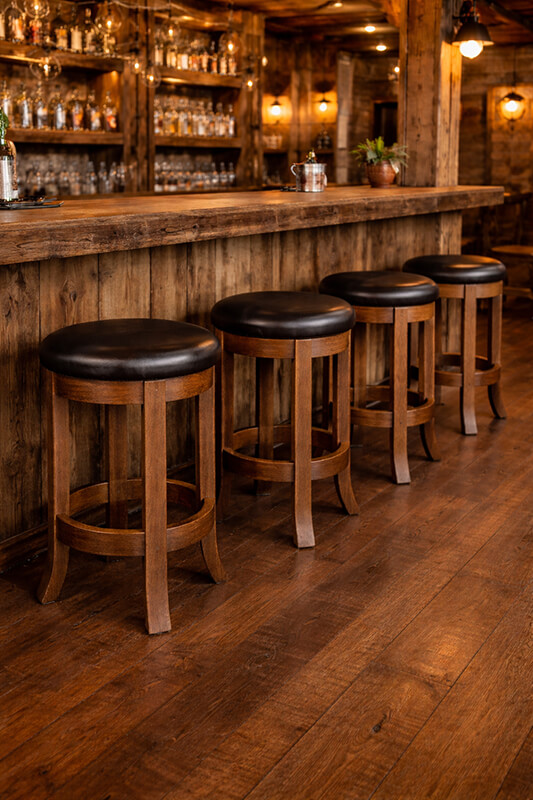
Reclaimed wood, responsibly sourced materials, and durable, long-lasting construction reflect a brand that takes sustainability seriously. These choices matter most to customers who value ethical business practices.
Using eco-conscious commercial furniture reinforces:
- Environmental responsibility
- Long-term thinking
- Social awareness
Here, furniture becomes proof—not marketing copy—of brand values. This is furniture as brand expression in its most visible form.
Case Study: Starbucks
Starbucks is a clear example of how furniture supports brand identity development. Their stores combine cozy armchairs with communal tables and simple café seating.
This mix reflects:
- Inclusivity (spaces for individuals and groups)
- Versatility (work, meet, relax)
- Comfort without exclusivity
The furniture layout reinforces Starbucks’ position as a “third place”—not home, not work, but something in between—demonstrating how thoughtful commercial furniture choices support cohesive hospitality brand design.
Why Commercial Furniture Choices Matter for Hospitality Brands
Guests form opinions within seconds of entering a space. Furniture influences how long they stay, how comfortable they feel, and whether they return.
When furniture aligns with restaurant brand identity, the experience feels intentional. When it doesn’t, the brand feels disjointed—no matter how good the food or service may be.
Final Thought: Furniture as Brand Expression
Commercial furniture is more than a design decision—it’s a physical expression of brand identity.
Choose seating that reflects who you are—and who you serve.