Summary Comfortable bar stools come down to a few key features. Start by choosing the correct seat height so your knees sit at a natural angle to the counter. Seat depth also matters—deeper seats tend to support taller individuals, while shallower seats often feel more comfortable for shorter users. Cushioning plays a role as well, since padded seats help reduce pressure during longer sits. A mid-back or full backrest encourages better posture, while a sturdy footrest helps relieve pressure on the legs and lower back. Finally, consider seat width, as wider seats often provide more room and comfort for extended sitting.
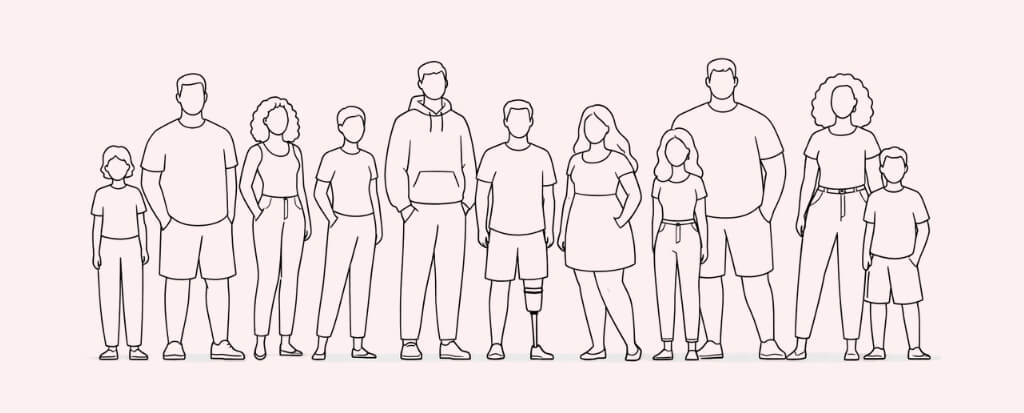
Height, weight, posture, and mobility all play a role in how comfortable a stool feels.
In this guide, we’ll walk you through what to look for based on your specific needs—so you’re not just choosing a stool that looks good in your kitchen, but one you’ll actually enjoy sitting in every day.
Choosing the most comfortable bar stools depends on more than style. Ergonomic support, seat depth, and the right height all affect how a stool feels during daily use.
Key Features That Make a Bar Stool Comfortable
Seat Cushioning
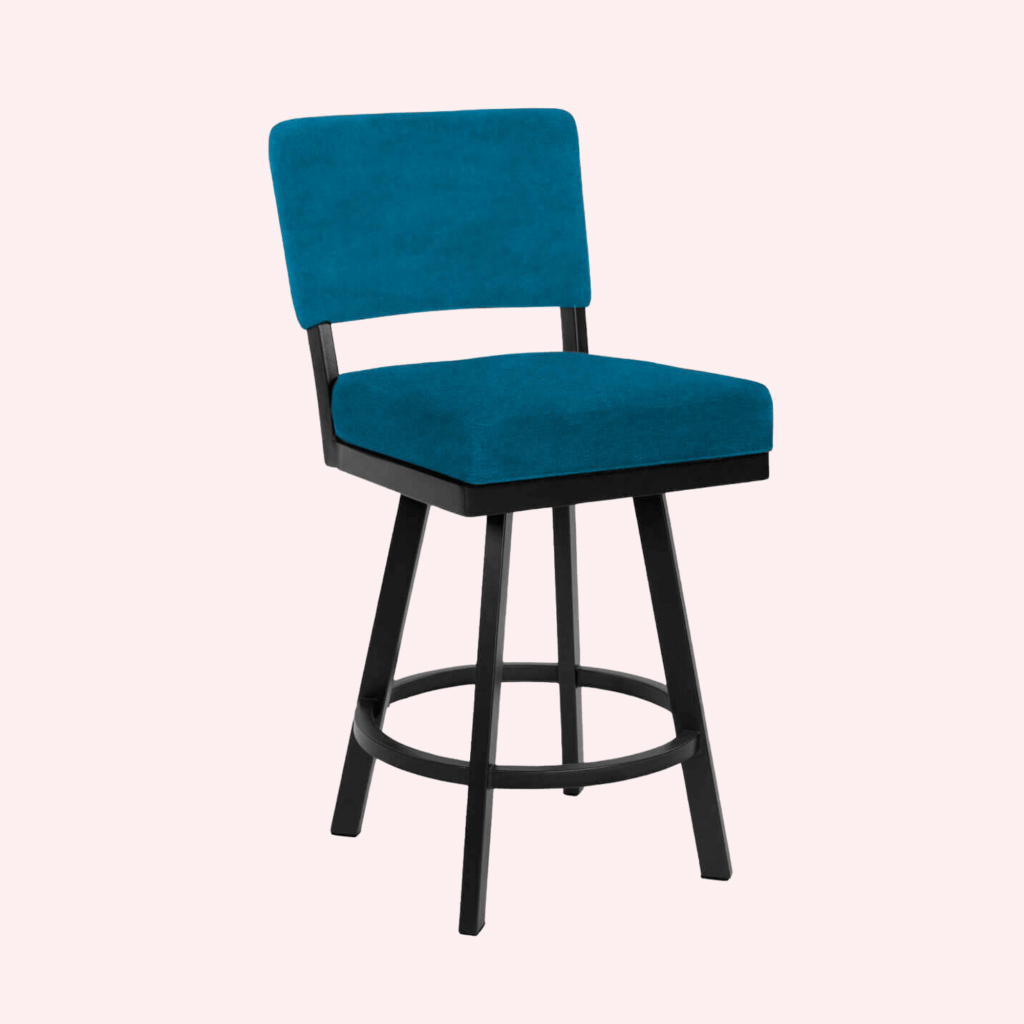
The right amount of padding prevents discomfort during long sits. High-density foam offers support and holds its shape. Memory foam adds softness.
Choose durable materials like performance fabric or vinyl for everyday use.
Seat Width
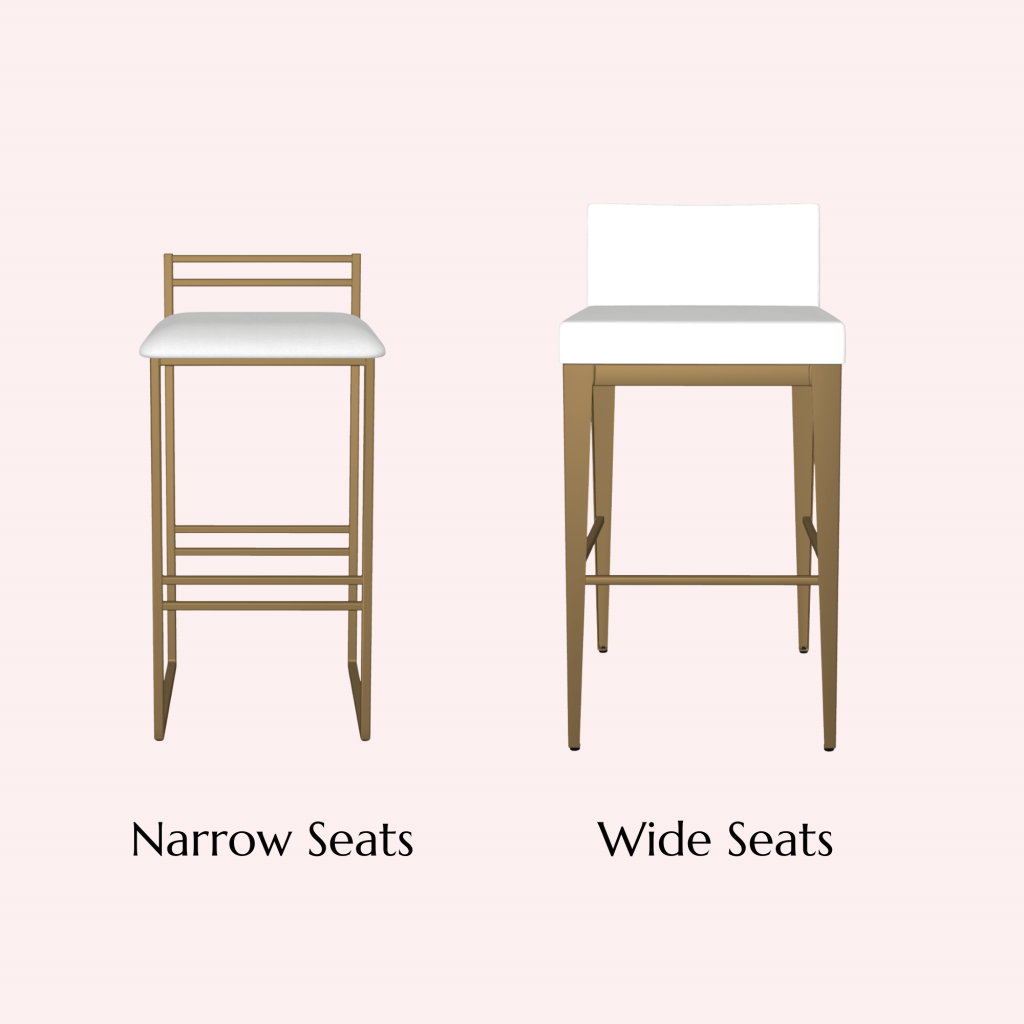
- Narrow seats save space, but can feel tight.
- Wide seats offer more room and support, especially for larger body types or longer sitting sessions.
Choose based on your comfort needs and space.
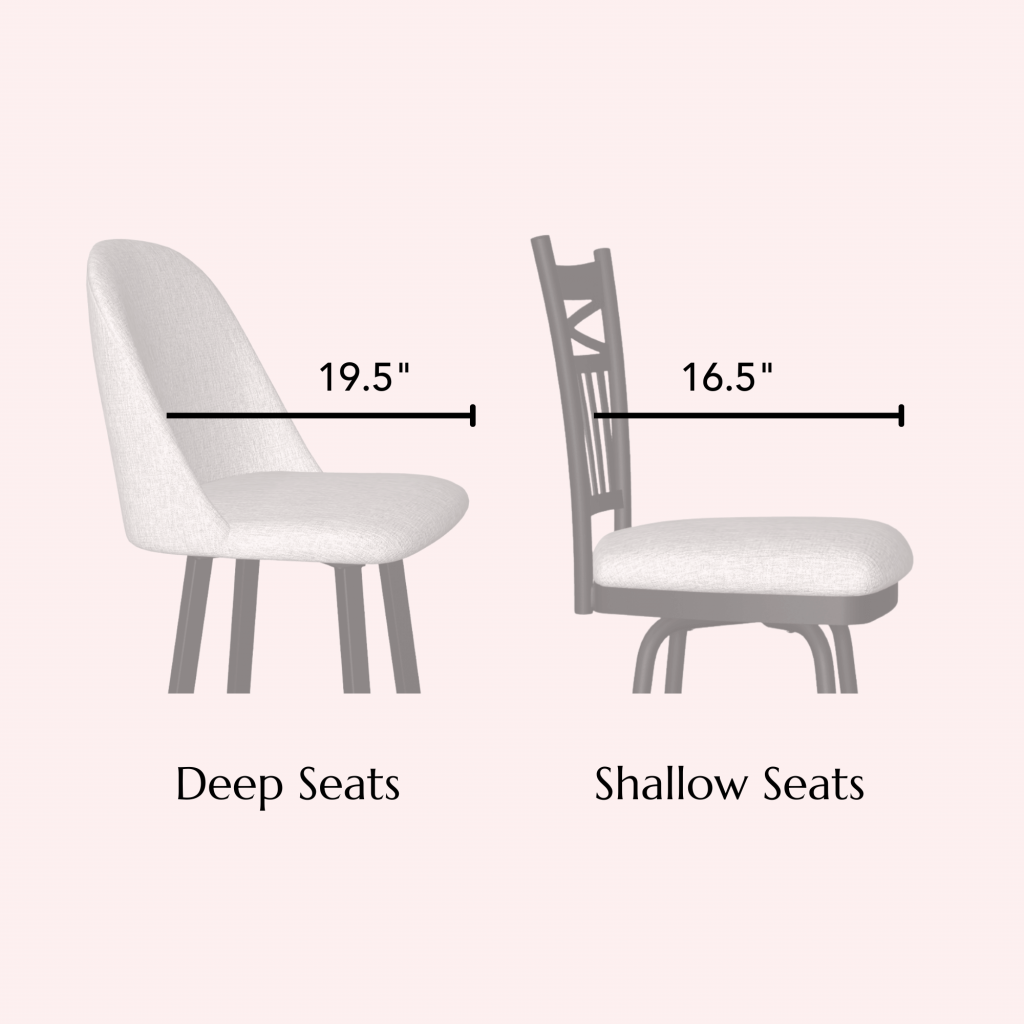
Seat Depth
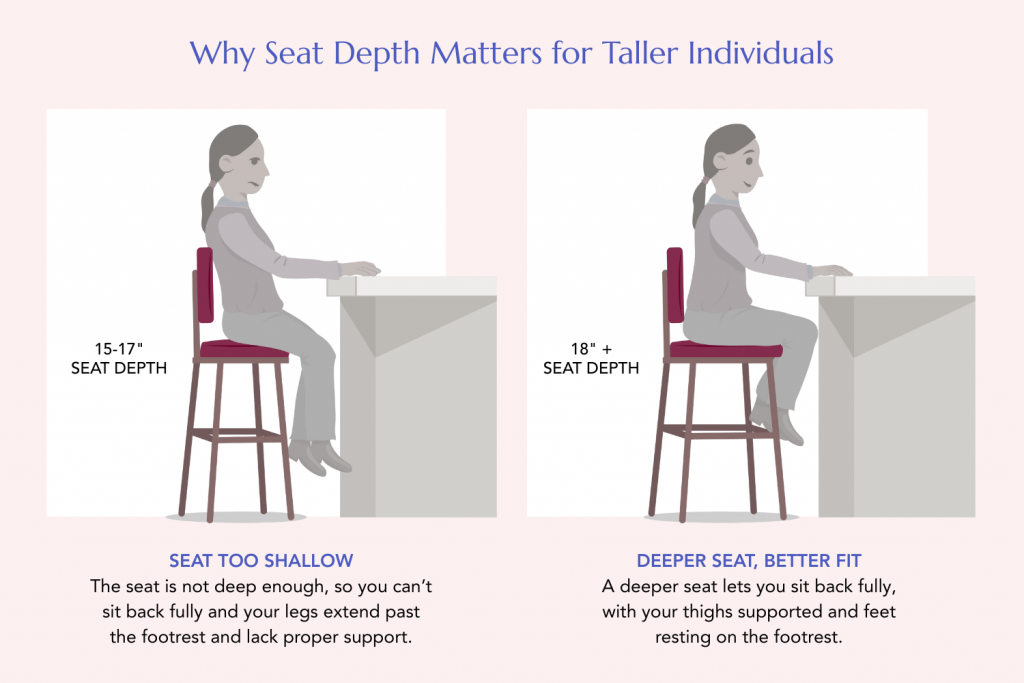
- Deep seats (18″ or more) support longer legs and prevent thigh discomfort for taller individuals.
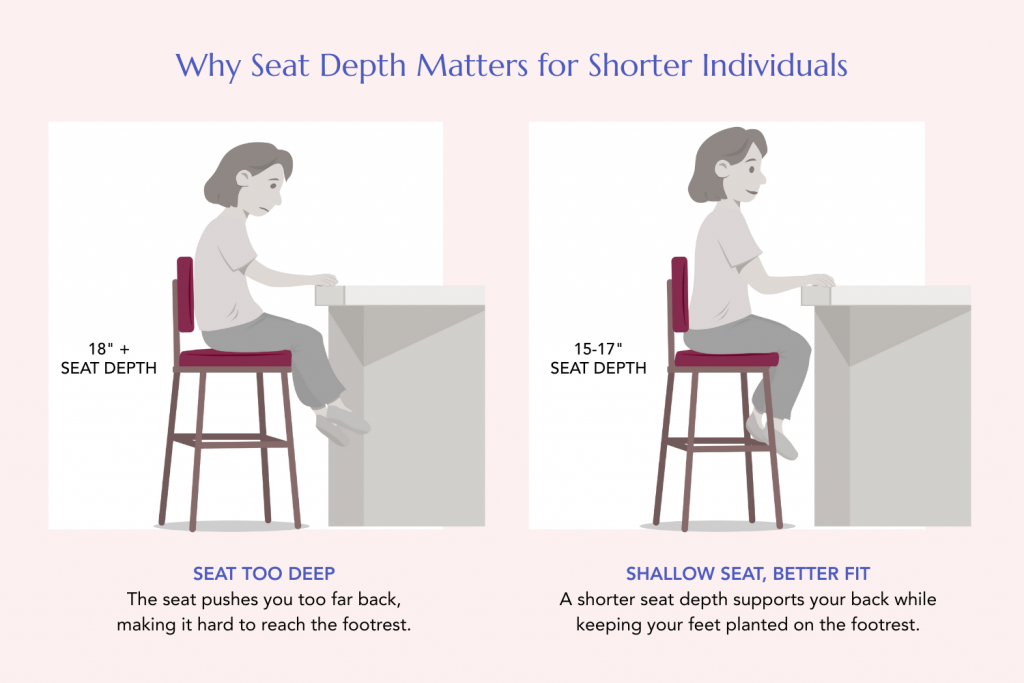
- Shallow seats (15–17″) are better for shorter users, keeping feet flat and posture upright.
Match depth to your height for proper support.
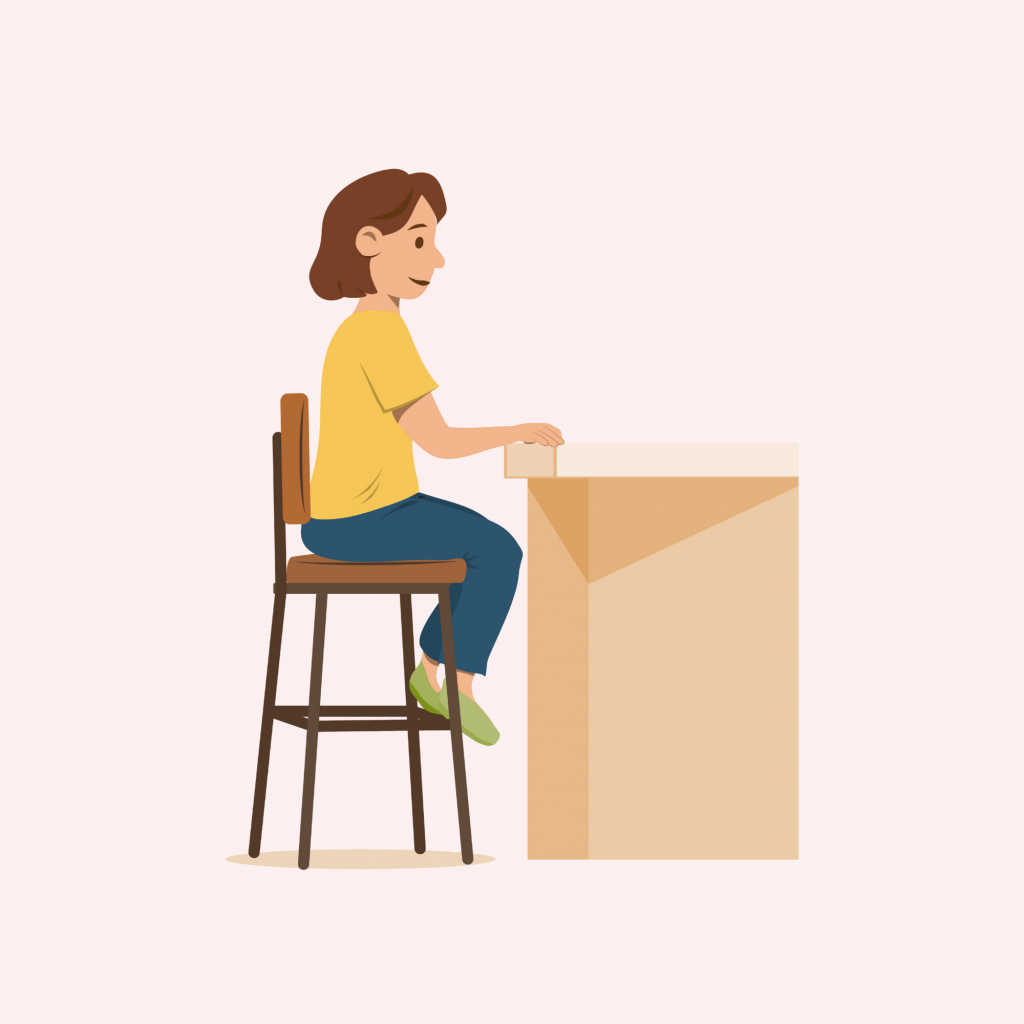
Footrests
A footrest helps reduce pressure on your legs and lower back.
It’s essential for shorter users who might not reach the ground. Without one, discomfort sets in quickly.
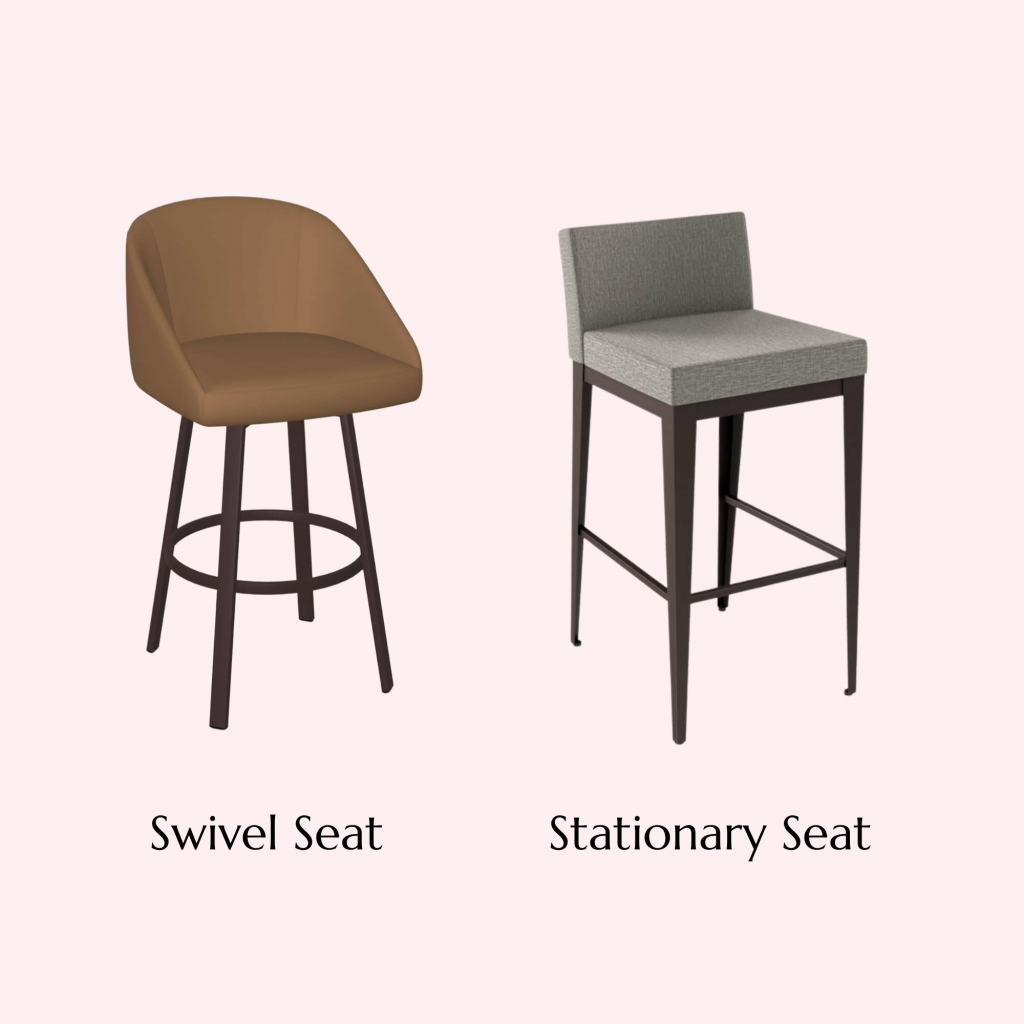
Swivel vs. Stationary
- Swivel stools make it easier to get in and out and move around in tight spaces.
- Stationary stools feel more stable and are often better for older adults or anyone needing extra support.
Seat Height
Choosing the correct seat height is key.
- For a 34-36″ counter, use a 24–26″ seat height.
- For a 40-42″ bar, use a 28–30″ seat height.
- For a 46-48″ bar, use a 33-34″ seat height.
- For a 50″ bar, use a 35-37″ seat height.
Choosing the correct seat height is key. For a more detailed explanation, see our bar stool height guide.
Best Bar Stools for Short People
Shop for Shallow Seats
If you’re on the shorter side, a seat that’s too deep can push you too far back away from the counter. That often means reaching awkwardly to eat, work, or socialize—and your feet may not reach the footrest either.
A shallower seat lets you sit comfortably close to the counter while keeping your feet supported and posture upright.
Shop for Swivel Seats
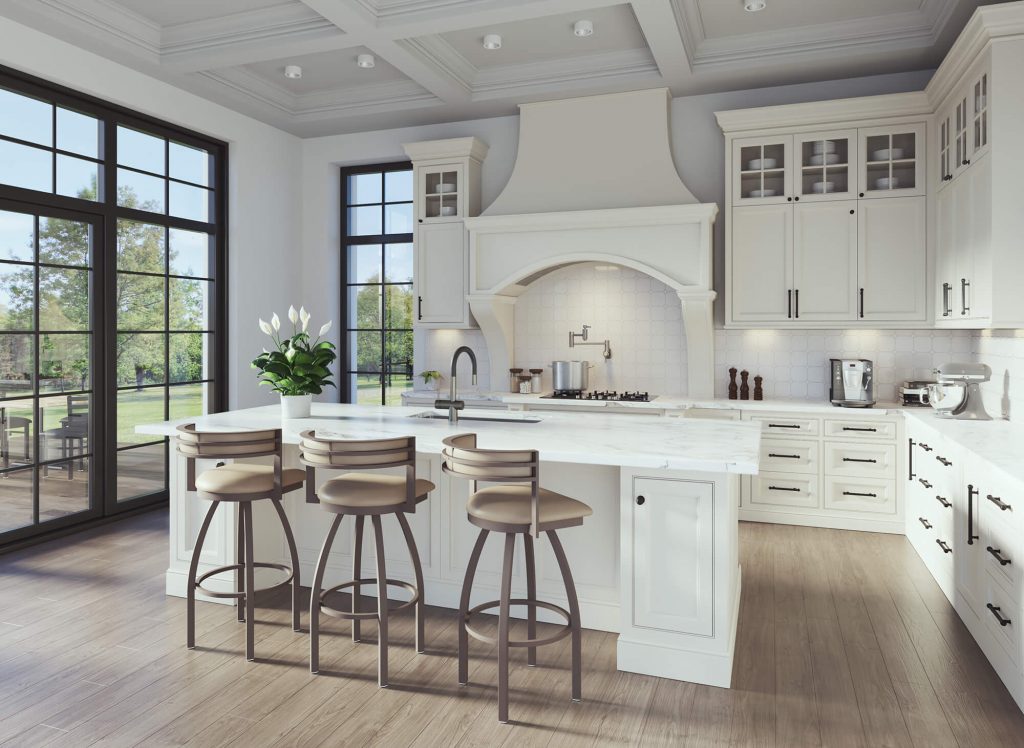
Swivel bar stools can be helpful for shorter individuals since they allow you to turn and hop on more easily, especially if the stool is tucked under a counter.
Shop for a Lower Seat Height
Look for seat heights slightly lower than the standard.
Most counter stools have a seat height of 26″, but that can make it difficult to reach the footrest comfortably. A 24″ seat height brings you closer to the ground, giving your legs a better chance to rest on the footrest and maintain proper posture.
This is a general rule that works for most people, but body proportions vary. Some people have longer legs or shorter torsos, so it’s always best to consider your unique build when choosing a stool.
Best Bar Stools for Tall People (Seat Depth Guide)
Shop for Deep Seats
If you’re tall, a shallow seat can make you feel like you’re about to slide off. There’s not enough room to sit back comfortably and your legs may extend past the footrest. This can lead to awkward posture and pressure behind the knees.
A deeper seat allows you to sit back, it offers better thigh support and allows you to sit naturally with your feet resting where they should.
The Sweet Spot for Mixed Families
If your family is a mix of tall and short, we recommend a seat depth around 17″ to 18″.
This range offers a good middle ground—providing enough support for taller individuals without overwhelming shorter users.
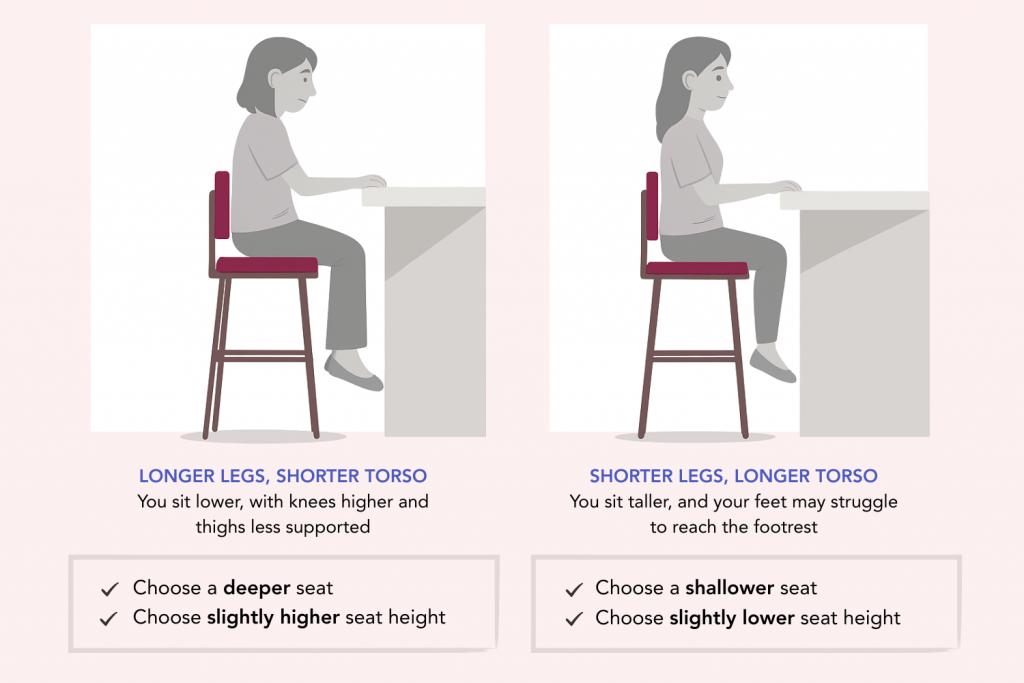
How Body Proportions Affect Decisions
Seat height alone doesn’t determine stool comfort—your proportions do, too.
Two people of the same height can have very different experiences depending on the length of their legs and torso.
The illustration below shows how these differences affect posture and what adjustments can help you find the right fit.
Best Bar Stools for Larger Body Types
Individuals who prefer extra space or support should look for bar stools with wider seats, sturdy frames, and higher weight capacities.
Metal frames and solid wood construction tend to provide better long-term durability, while wider seat cushions help distribute weight more comfortably.
Some stools are specifically built for added strength—for example, we offer bar stools with a 500 lb weight capacity designed to provide extra stability and long-lasting support.
Best Bar Stools for Back Pain and Back Support
If you deal with back pain, the right support matters more than anything else. A stool without structure can quickly lead to slouching, pressure on the lower spine, and discomfort after just a few minutes.
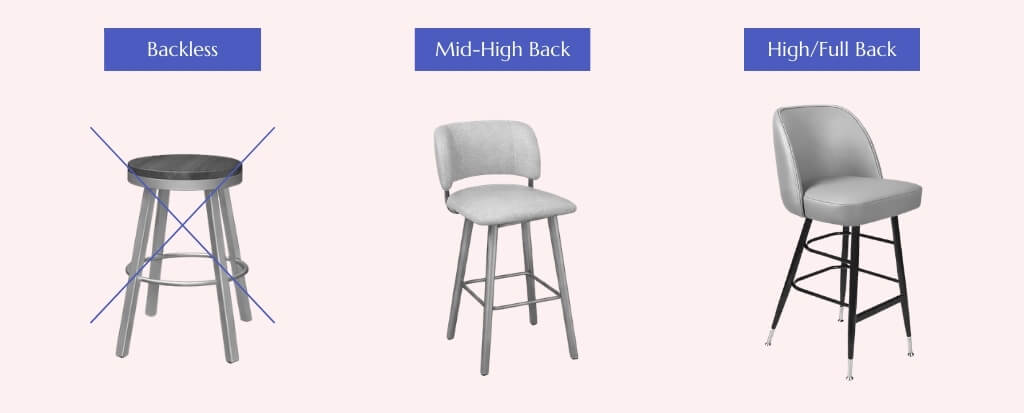
Choose Full or Mid-Back Support
Backless stools are not ideal for anyone with ongoing back issues. A mid-back or full-back stool encourages you to sit upright and gives your spine something to lean into. Full-back styles offer the most support for longer sitting sessions.
If back support is important, consider browsing bar stools with backs designed for longer sitting sessions.
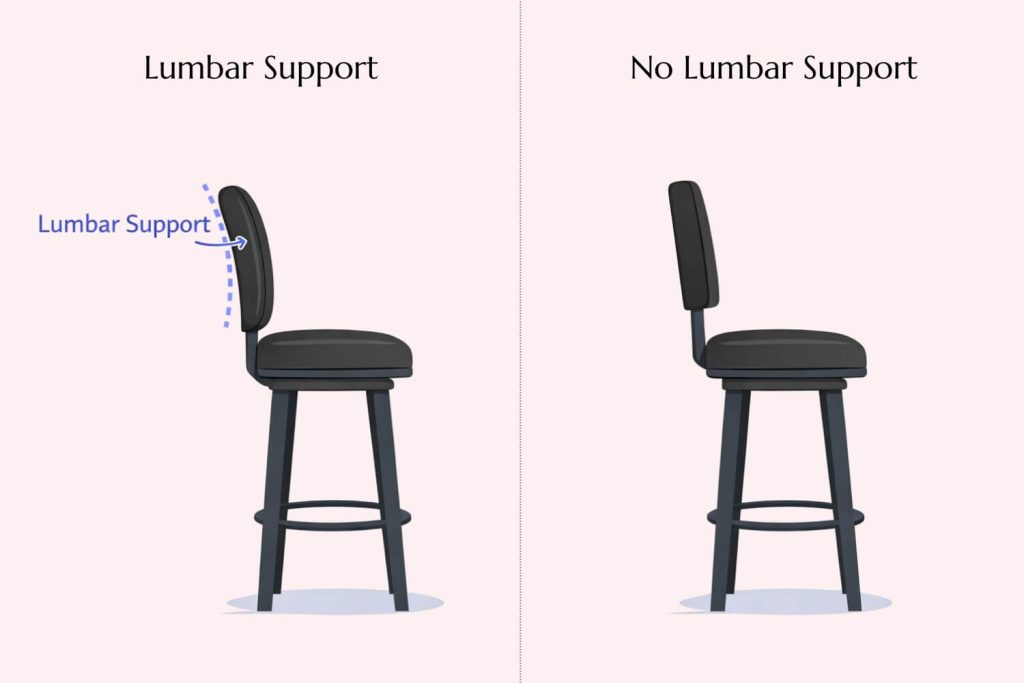
Look for Lumbar Support
A slight lumbar curve or a padded backrest helps maintain the natural curve of your lower back. This reduces strain and prevents the rounded posture that often leads to soreness.
Bar stools with ergonomic backrests support the spine more effectively, helping maintain better posture during longer sitting sessions.
Footrests Are Essential
When your feet hang, your pelvis tilts and your lower back takes the strain. A sturdy footrest keeps your knees at a comfortable angle and supports proper posture. This one feature alone can make a major difference in comfort.
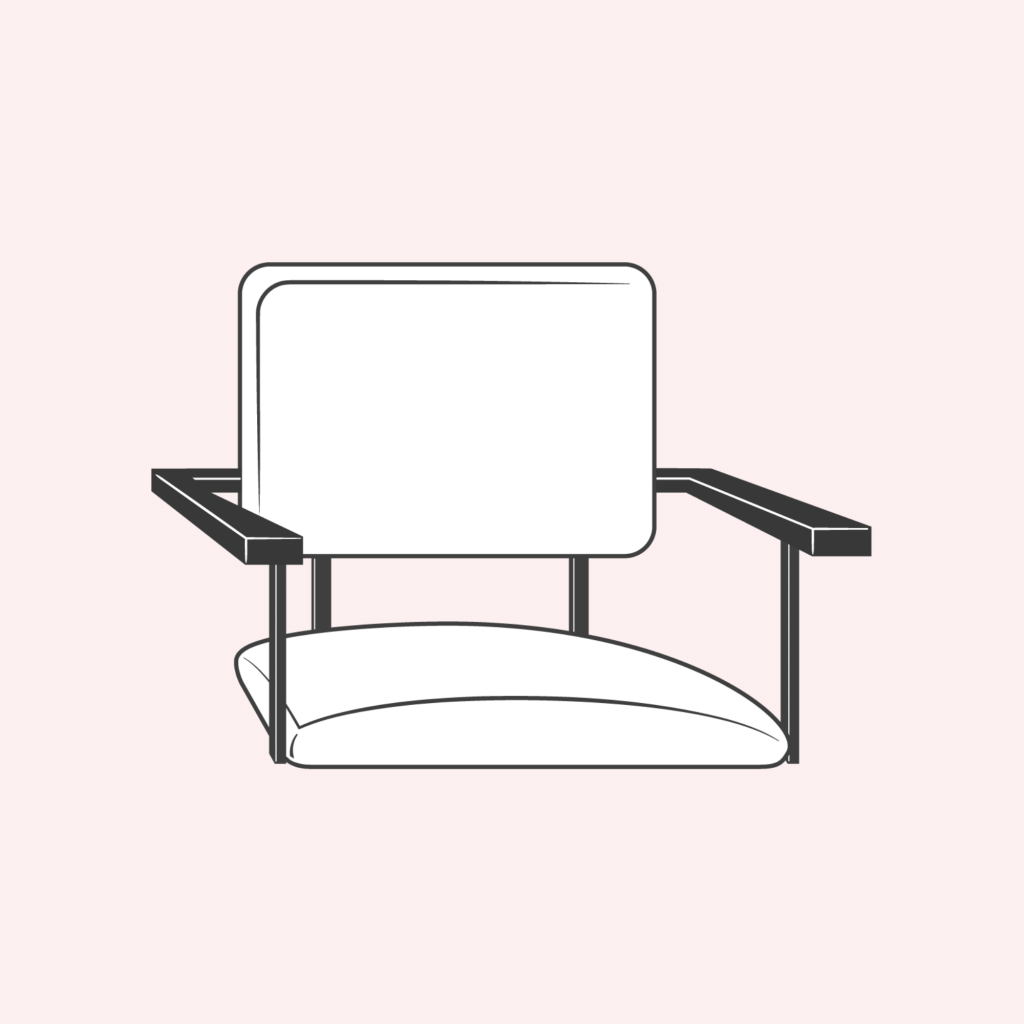
Consider Armrests
Armrests provide stability and help reduce pressure on the lower back. They also make it easier to sit down and stand up, which is especially helpful if mobility is limited.
Best Bar Stools for Older Adults or Those with Limited Mobility
Choosing the right stool can make sitting down and standing up easier and safer.
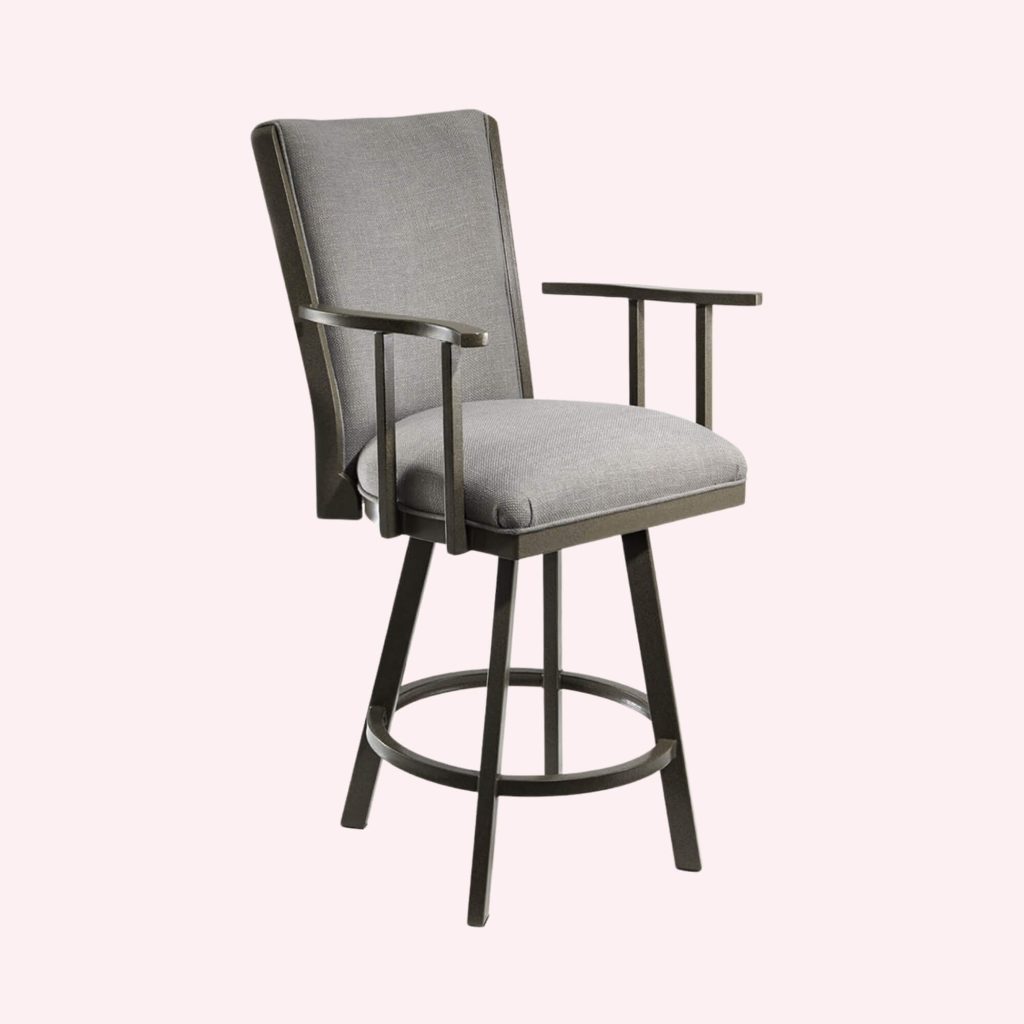
Arms for Added Support
Bar stools with arms give users something stable to hold onto when sitting or rising. This reduces strain and improves confidence.
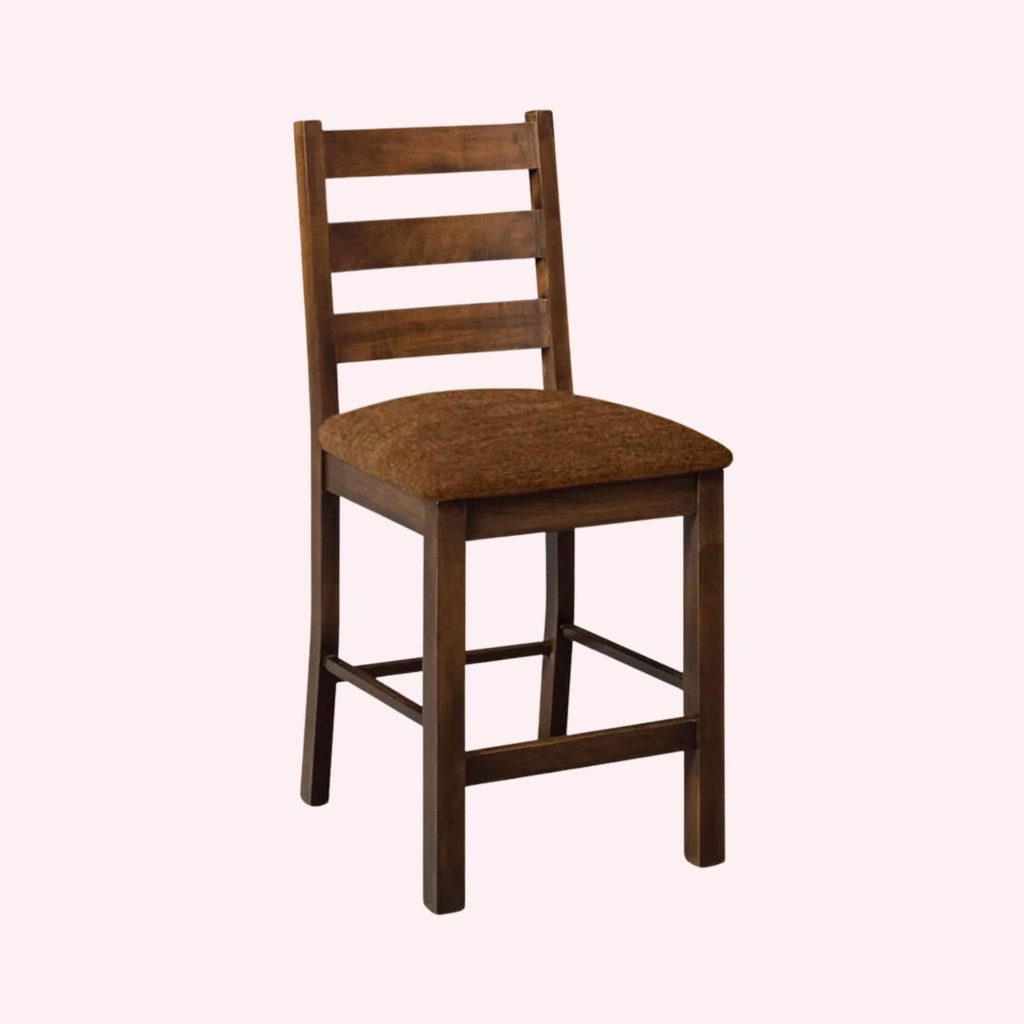
Stationary (Non-Swivel) for Stability
Swivel stools allow easy movement, but they can feel unstable for some users.
A stationary stool stays firmly in place and often feels more secure underfoot, especially for older adults or anyone with limited mobility.
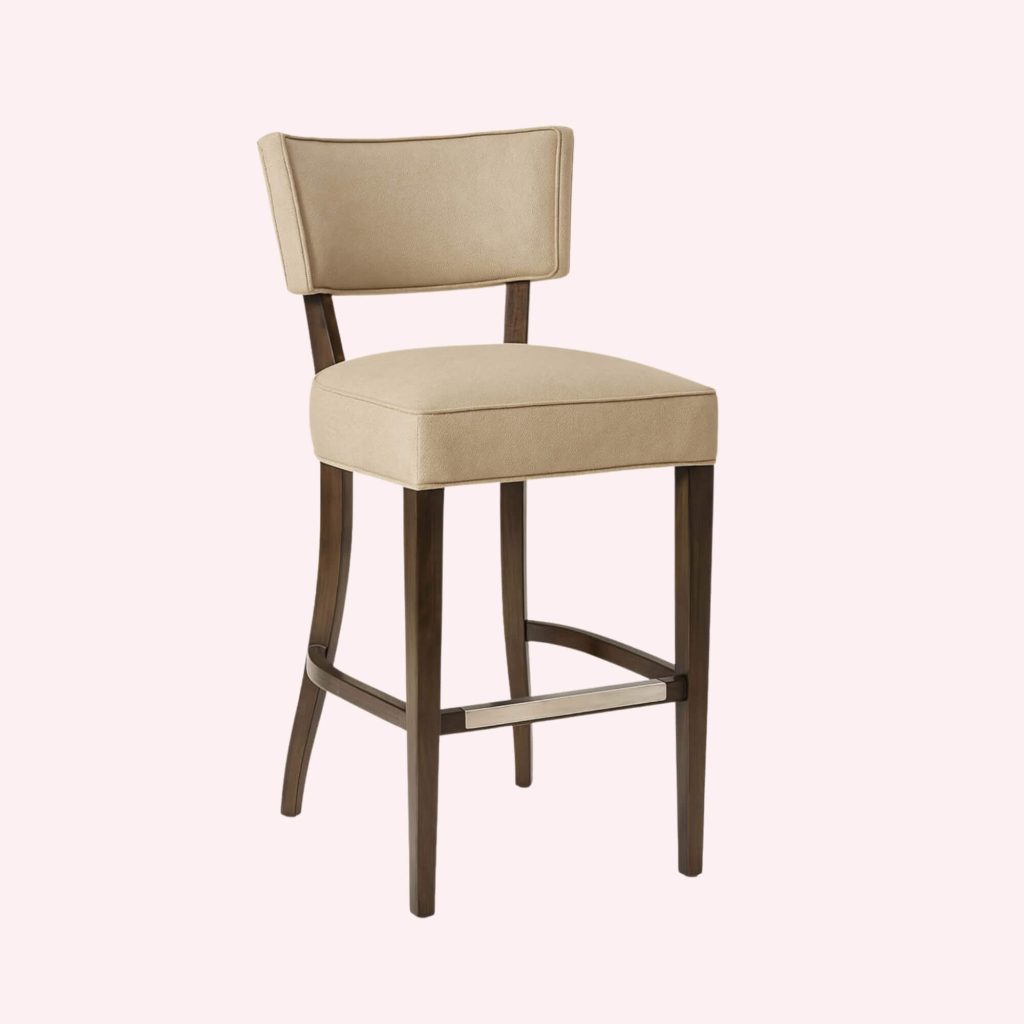
Cushioned Seats for Comfort
Upholstered stools with thicker padding tend to provide better comfort for longer sits. Explore our upholstered bar stools to see different cushioning options.
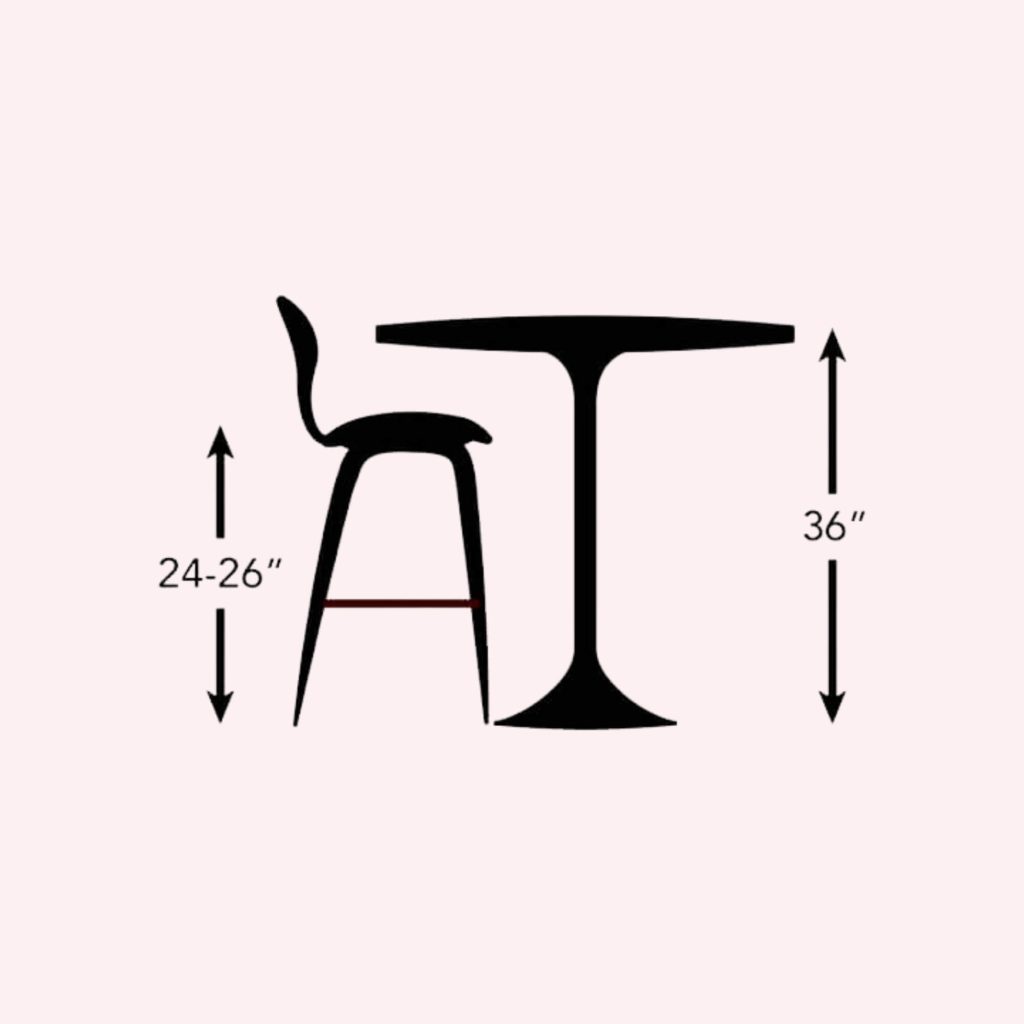
Lower Seat Heights
A stool around 26″ seat height (rather than higher) makes it easier to slide into and stand from, especially for limited mobility.
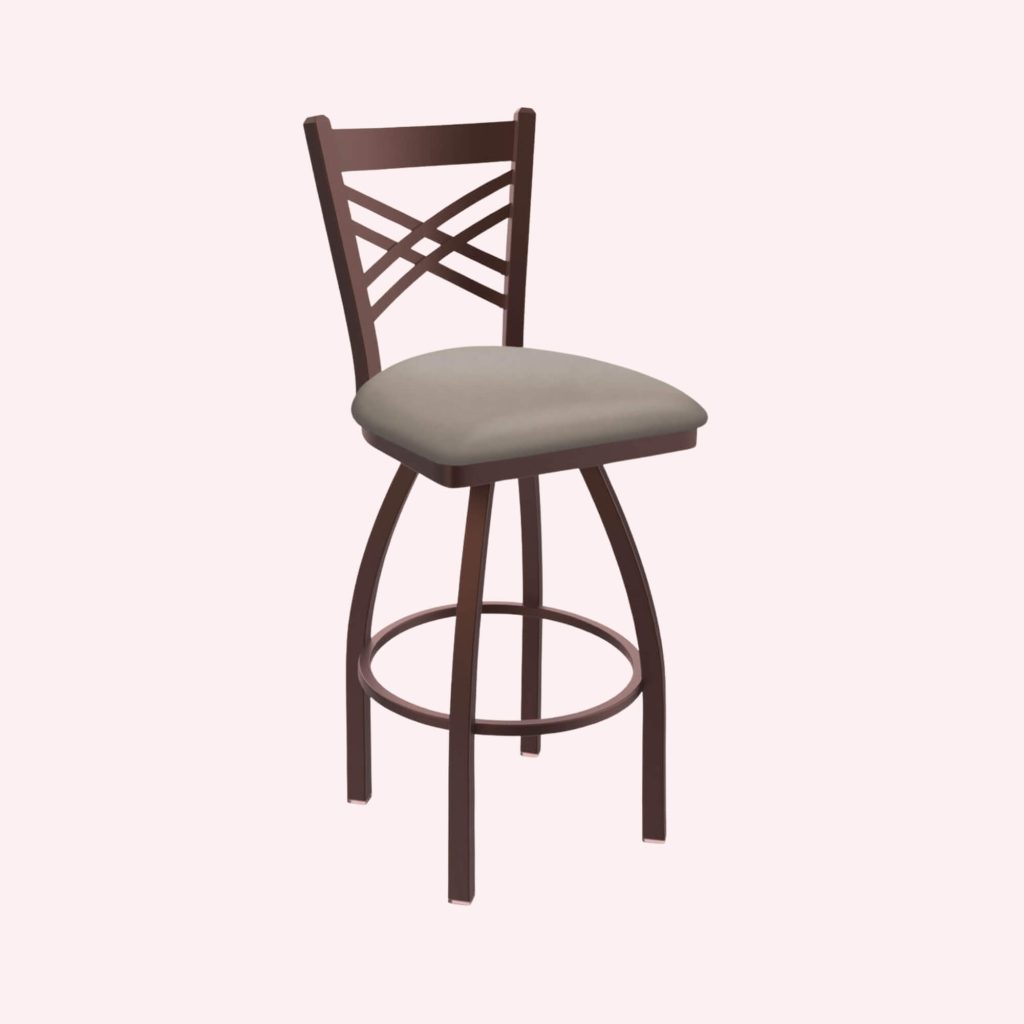
Easy Entry and Exit
Open sides and a stable base make it easier to get in and out without feeling trapped. Avoid overly deep seats or obstructive arms that block the sides.
Most Comfortable Bar Stools for Everyday Use
Customizable Features
Choose bar stools with adjustable options like seat height, cushion type, and fabric. Being able to tailor these details means the stool works better for different users and preferences.
Adjustable-Height Stools
Stools with adjustable height are ideal for households with people of varying heights and needs. One stool can serve kids, adults, and everyone in between.
Lightweight, but Durable
Look for stools that are easy to move around when needed, yet still built to last. Lightweight stools make rearranging or cleaning simpler, but should still feel stable and sturdy.
Frequently Asked Questions About Comfortable Bar Stools
The most comfortable bar stools usually have a padded seat, high backrest, and a sturdy footrest. Seat depth and width also play an important role in long-term comfort.
Swivel bar stools can be more convenient because they allow you to turn without moving the stool. This makes getting in and out easier, especially in tighter kitchen spaces.
Most people find a seat depth between 17 and 18 inches comfortable. Taller individuals may prefer deeper seats, while shorter users often benefit from slightly shallower seats.
Bar stools with backs provide better support for longer sitting sessions. Backless stools are more compact, but offer less support for posture.
Finding the Right Fit for You
Comfort is personal. The right bar stool depends on your height, body proportions, mobility, and how you plan to use it. What feels supportive to one person may not feel right to another.
Take the time to measure your counter height, consider seat depth, and think about how long you’ll typically be sitting. If possible, try different styles to see what feels most natural for your posture and comfort.
If you’re ready to narrow it down, explore our top recommended bar stools or browse our custom options to create a stool that fits your space and your body.
Need help choosing? Contact us here.