
Summary Plan for about 24 inches of space per stool for comfortable seating, keeping in mind that bar stools typically measure 16–21 inches wide and stools with arms may need extra clearance. Measuring your counter and dividing by 24 gives a quick, reliable estimate of how many bar stools will fit without feeling crowded.
Why Proper Bar Stool Spacing Matters
Planning your kitchen island or bar area sounds simple—until you start asking:
How many barstools do I need? And just as important:
How much space between bar stools is actually comfortable?
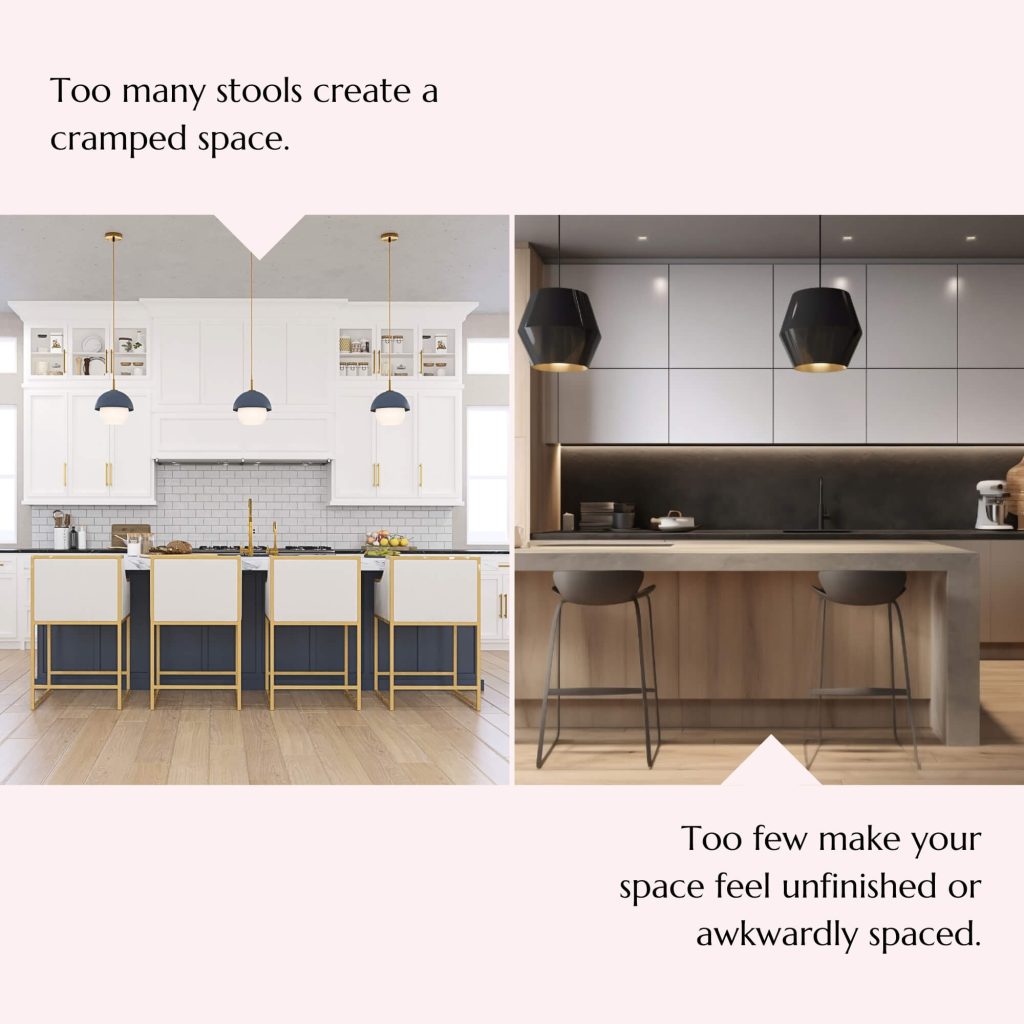
Too many stools create a cramped, elbow-bumping situation.
Too few can make your space feel unfinished or awkwardly spaced.
Understanding proper bar stool space requirements ensures your layout feels balanced, functional, and welcoming.
Whether you’re designing a kitchen island, home bar, or restaurant seating area, spacing is what makes the difference between crowded and comfortable.
Benefits of Good Spacing
Good spacing gives everyone:
- Enough elbow room to eat comfortably
- Easy access in and out of their seat
- Smooth traffic flow behind the stools
- A layout that looks intentional and proportional
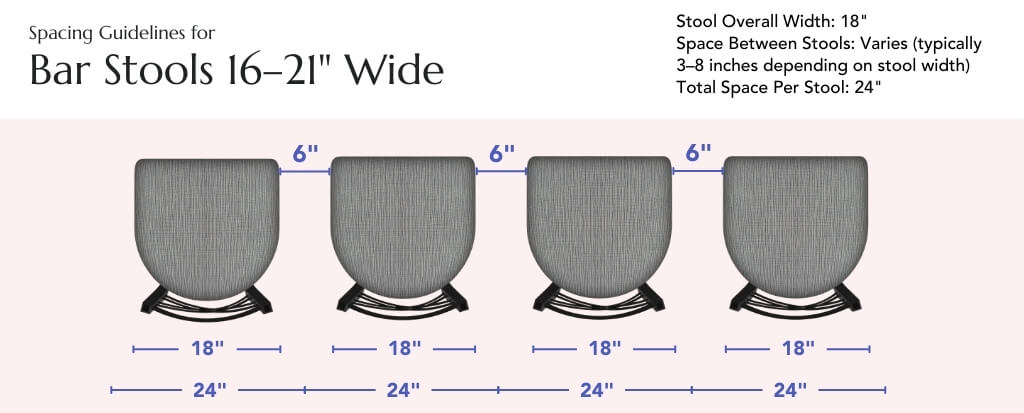
The industry standard most designers follow is called “The Rule of 24.” That means allowing 24 inches of width per person for comfortable seating.
Let’s break it down.
The Quick Formula for Calculating Number of Stools
If you’re wondering, how many barstools do I need? Here’s the fast answer:
The Formula:
Total counter length (in inches) ÷ 24 inches per stool
For roomier seating (large stools or stools with arms):
Total counter length ÷ 30 inches
Example:
A 72-inch counter ÷ 24 inches = 3 stools
Common Island Sizes
| Island Length | Using 24″ Rule | Using 30″ Rule |
|---|---|---|
| 6 ft (72″) | 3 Stools | 2 Stools |
| 8 ft (96″) | 4 Stools | 3 Stools |
| 10 ft (120″) | 5 Stools | 4 Stools |
Pro Tip: If the ends of your island are open (no walls), you may have slightly more flexibility for spacing.
How Much Space Between Bar Stools? (Complete Spacing Guide)
Now let’s answer the big question:
How much space between bar stools?
Small Stools (Under 18″ Wide) → Space 24 inches apart
Large or Armed Stools (Over 18″ Wide) → Space 30 inches apart
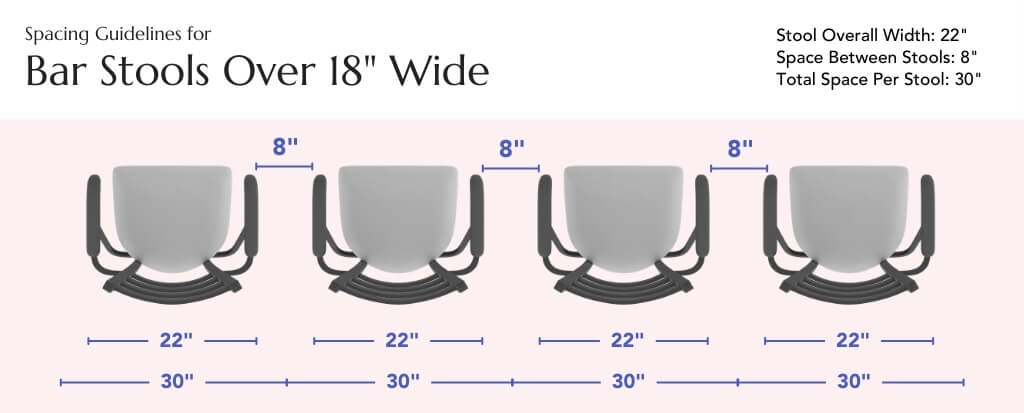
Arms add width and require additional elbow room to prevent bumping.
The Swivel Factor
Swivel stools need extra breathing room.
Because they rotate, add a 2–3 inch buffer between stools to prevent:
- Hitting neighboring stools
- Knocking into the counter
- Limited turning radius
If you’re using swivel stools with arms, lean closer to the 30-inch spacing rule.
Horizontal vs. Vertical Clearance
Spacing isn’t just side-to-side. Many homeowners overlook vertical and traffic clearances.
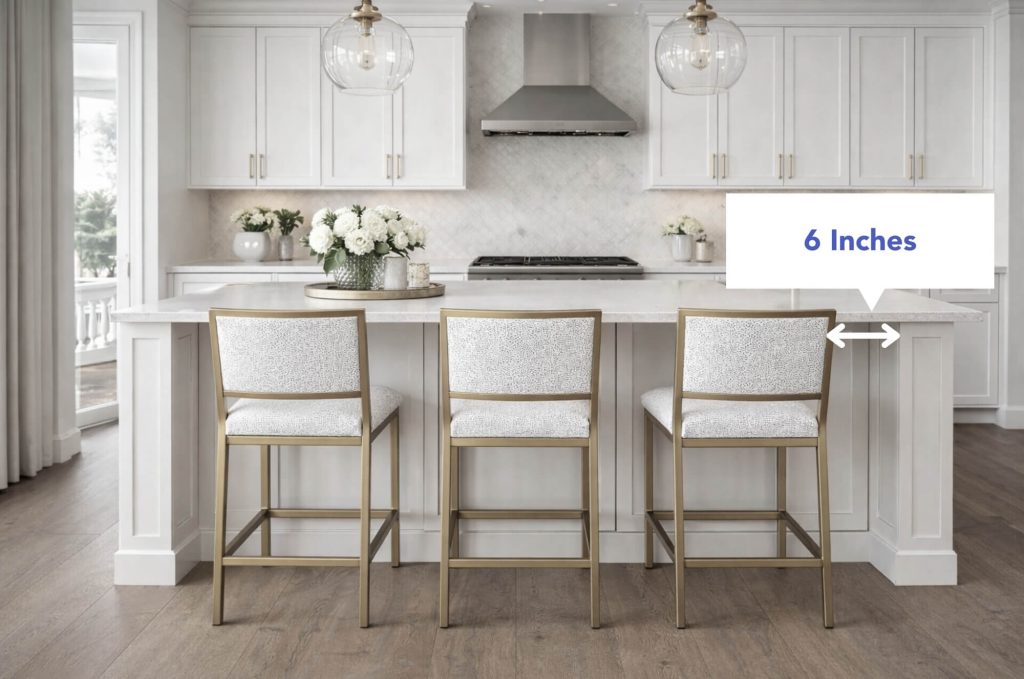
The 6-Inch Edge Rule
Leave at least 6 inches between the outermost stool and the edge of the counter.
This prevents a cramped appearance and allows easier access.
Legroom (Counter Overhang Depth)
For comfortable seating, you need proper knee space.
- Counter Height (36″ counter): 15″ overhang
- Bar Height (42″ counter): 12″ overhang
Too little overhang makes seating uncomfortable, no matter how well spaced the stools are.
The Walk-By Zone
Allow 36–48 inches of clearance behind seated guests.
This ensures people can walk through without disrupting someone who’s seated. In open-concept kitchens, this is especially important for workflow and safety.
Pro Tip: Test Before You Buy
Use painter’s tape to mark:
- Stool widths
- 24–30 inch gaps
- Walkway clearance
Seeing it mapped out visually prevents expensive spacing mistakes.
Choosing the Right Stool for Your Space
Different stool styles have different “footprints.” Selecting the right one affects your spacing plan.
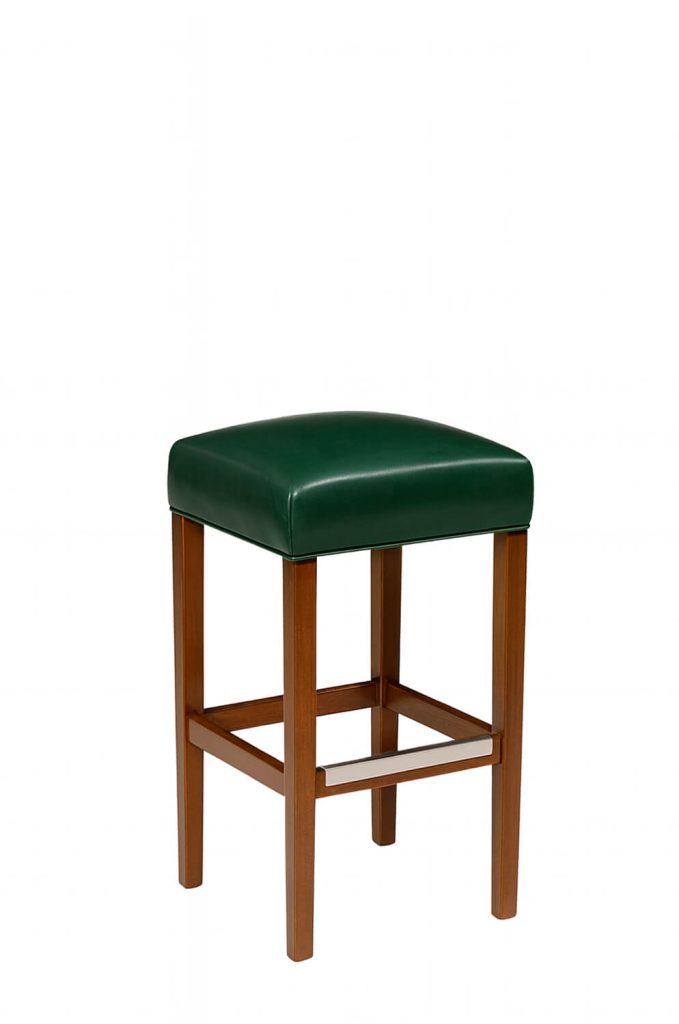
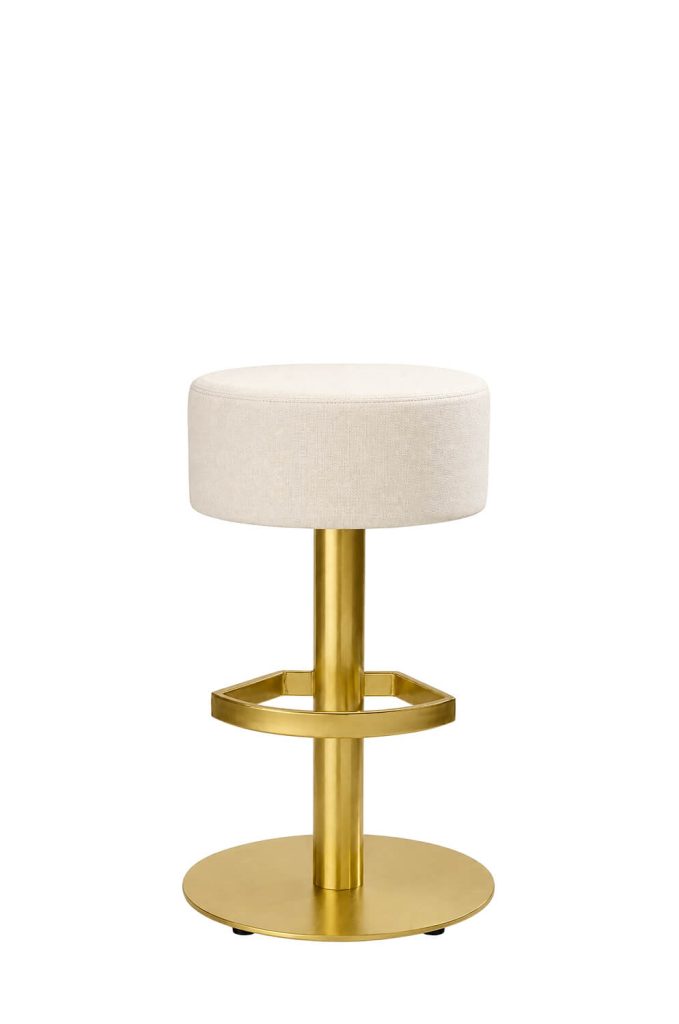
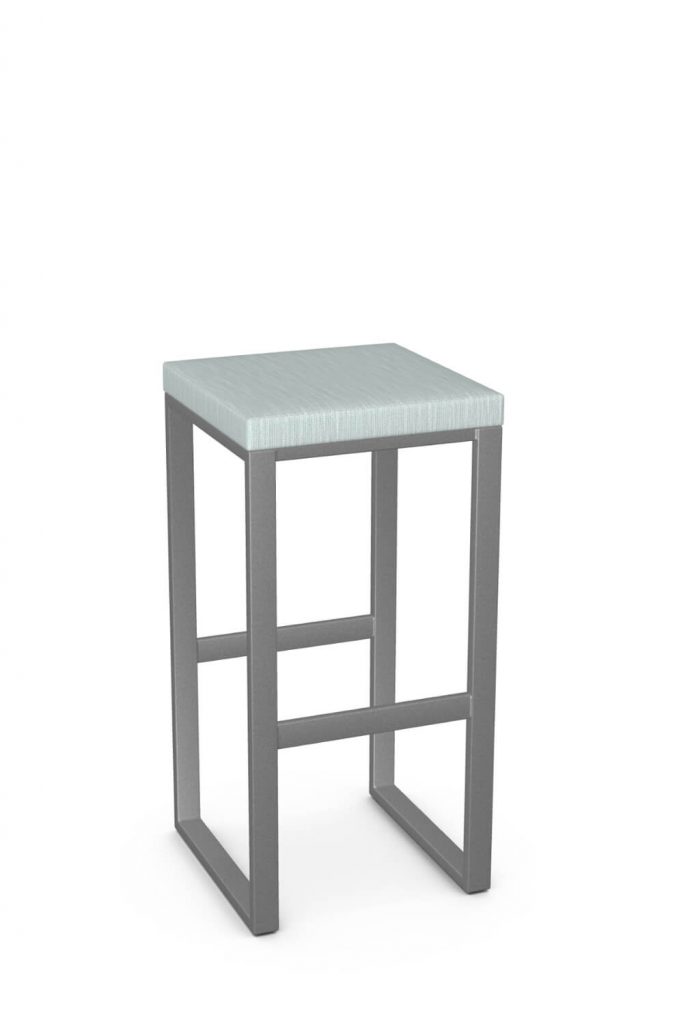
Backless Bar Stools
Best for tighter layouts. They tuck fully under the counter and require slightly less visual space. Ideal for narrow walkways or smaller kitchens.
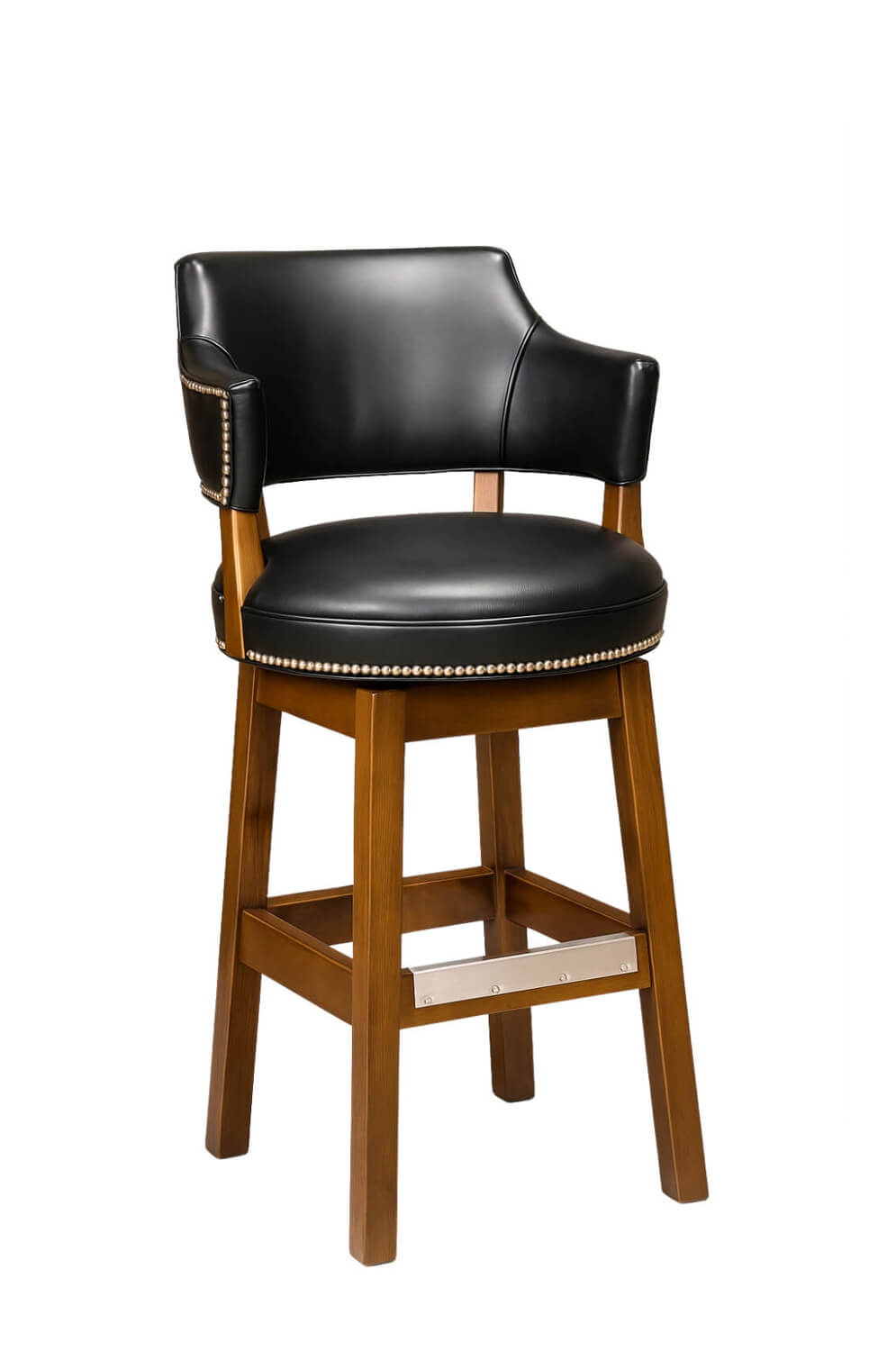
Bar Stools With Arms
Provide added comfort and support. Require the most horizontal space and typically follow the 30-inch rule.
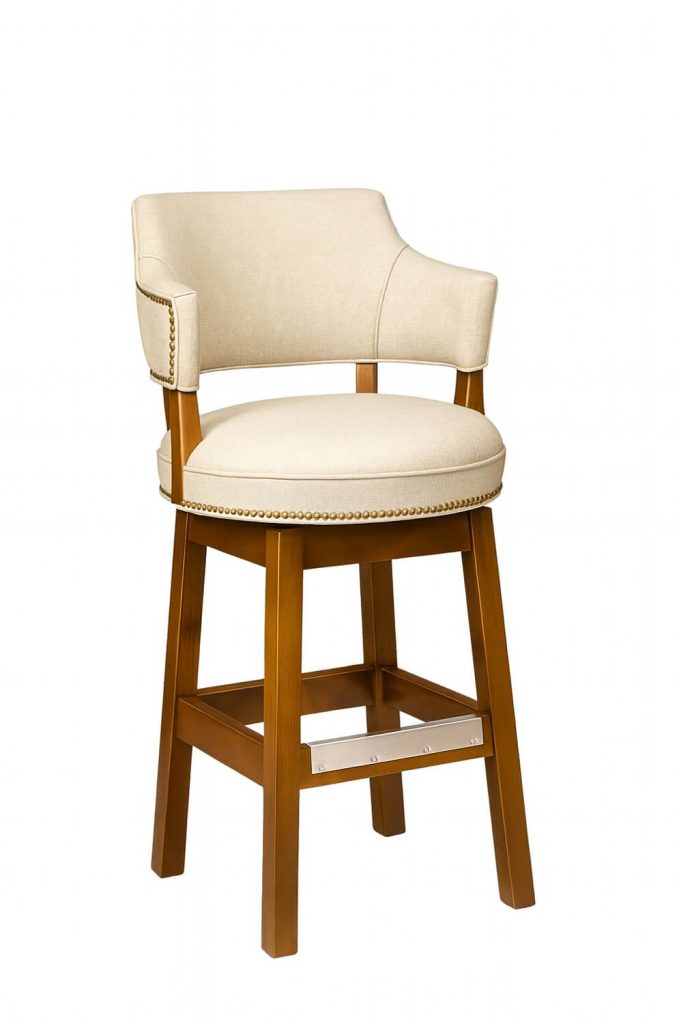
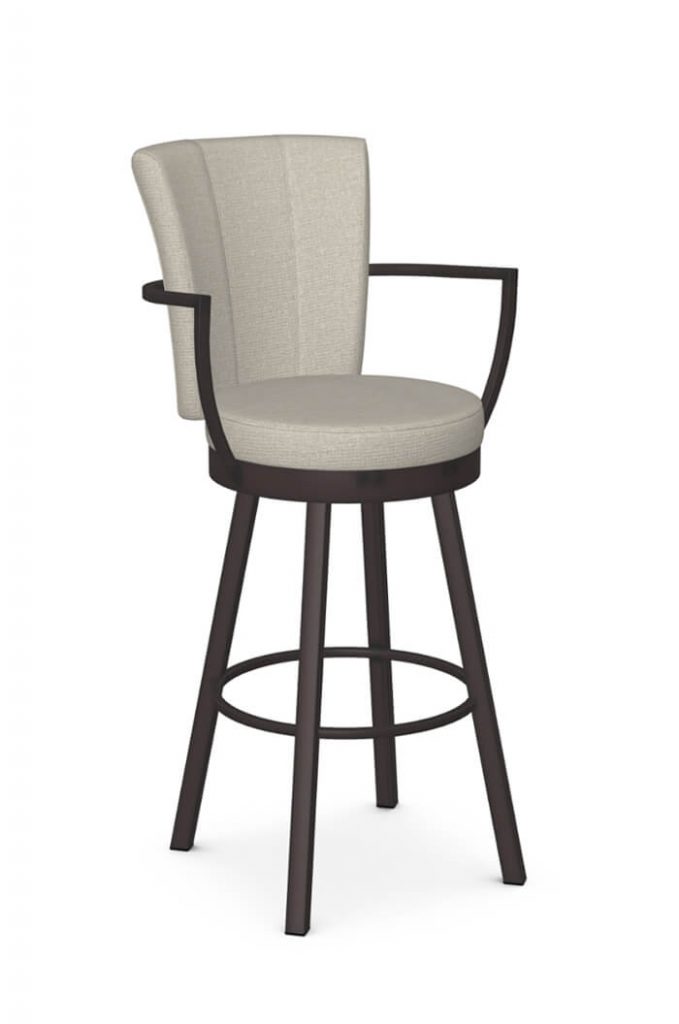
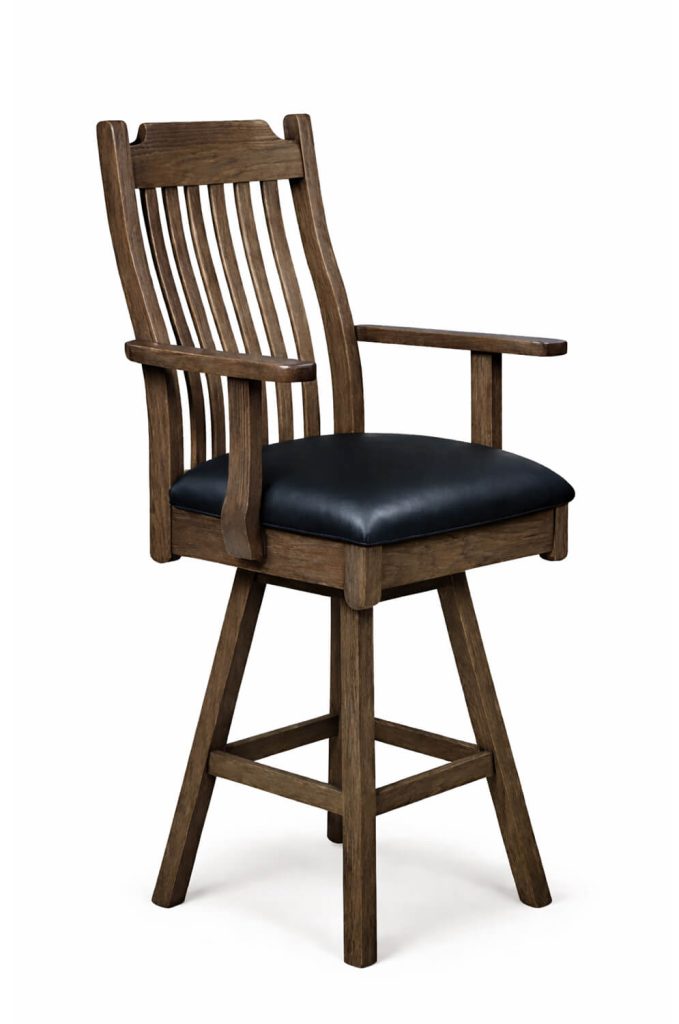
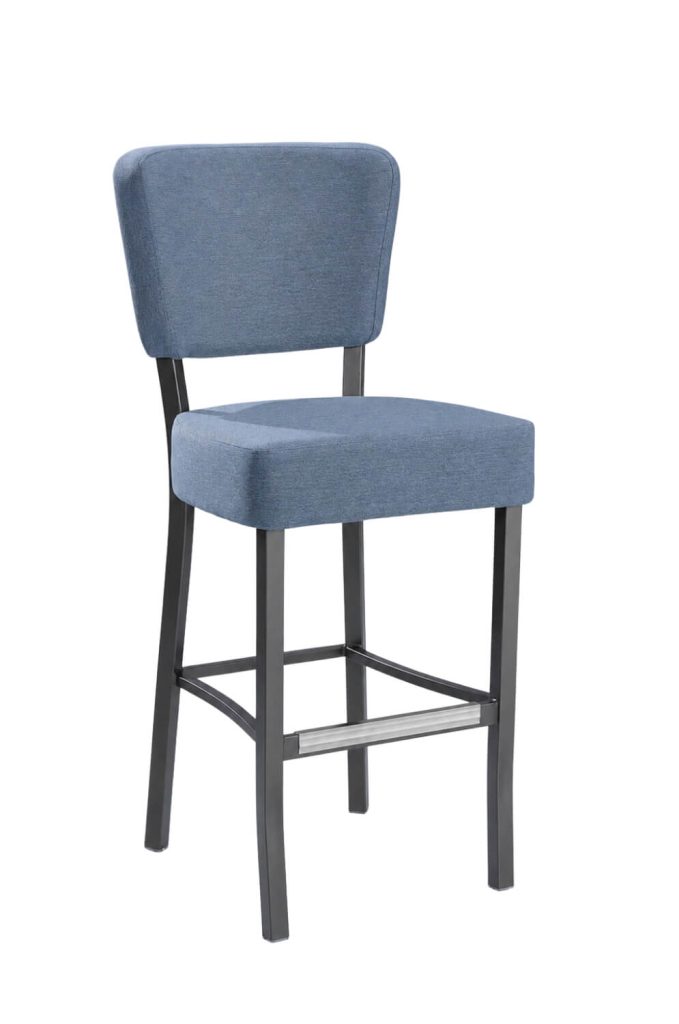
Upholstered or High-Back Bar Stools
Add comfort but also visual weight. High backs require slightly more room for sitting down and standing up comfortably.
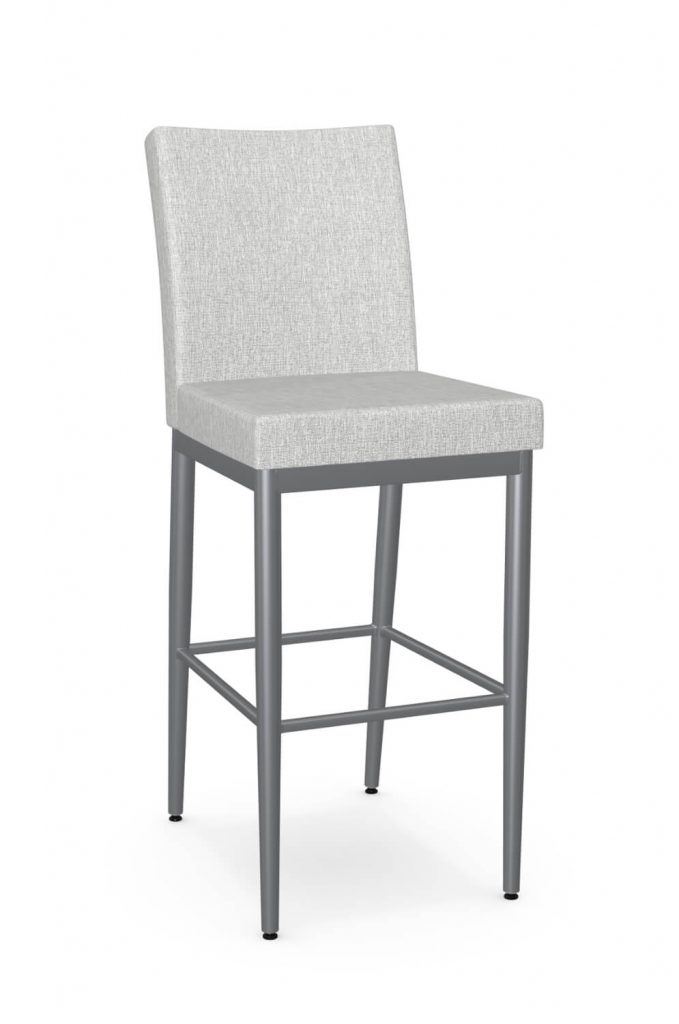
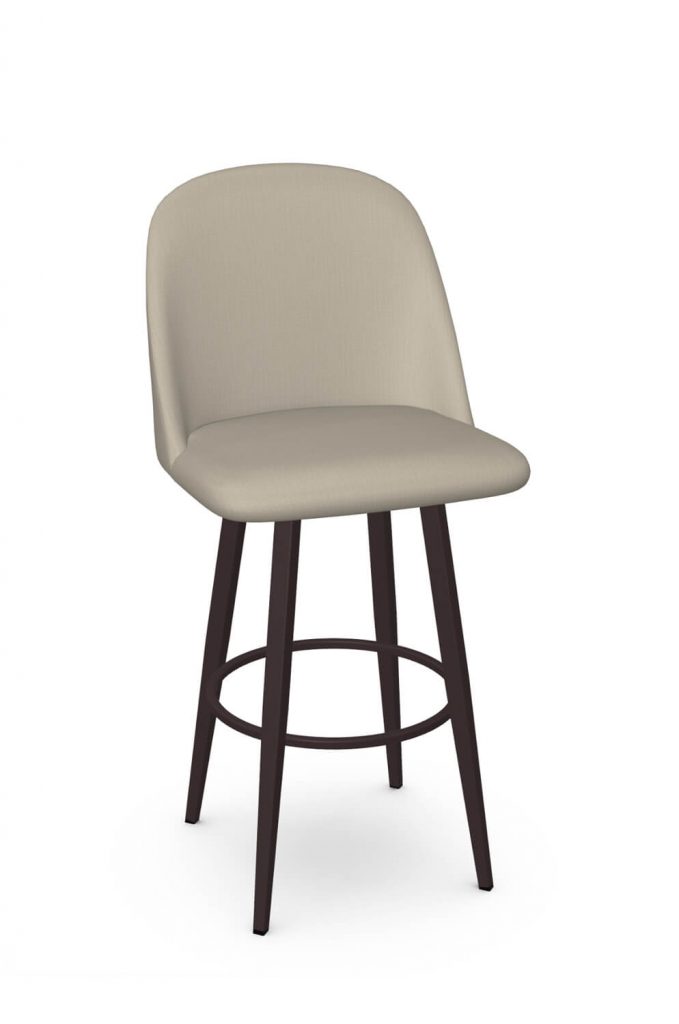
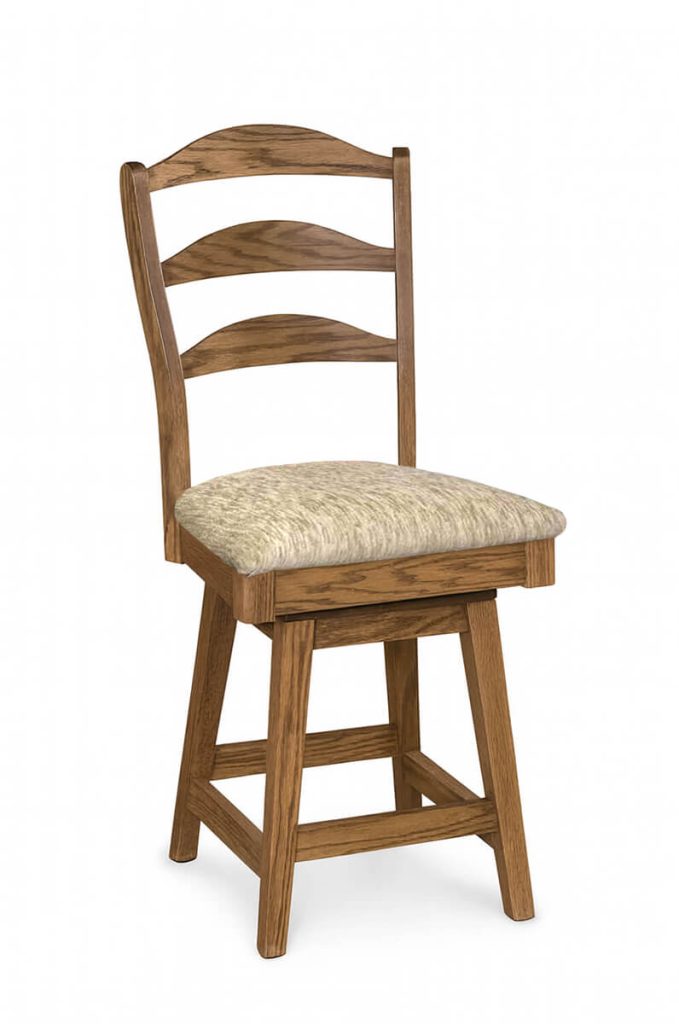
Narrow Bar Stools (18″ or Less)
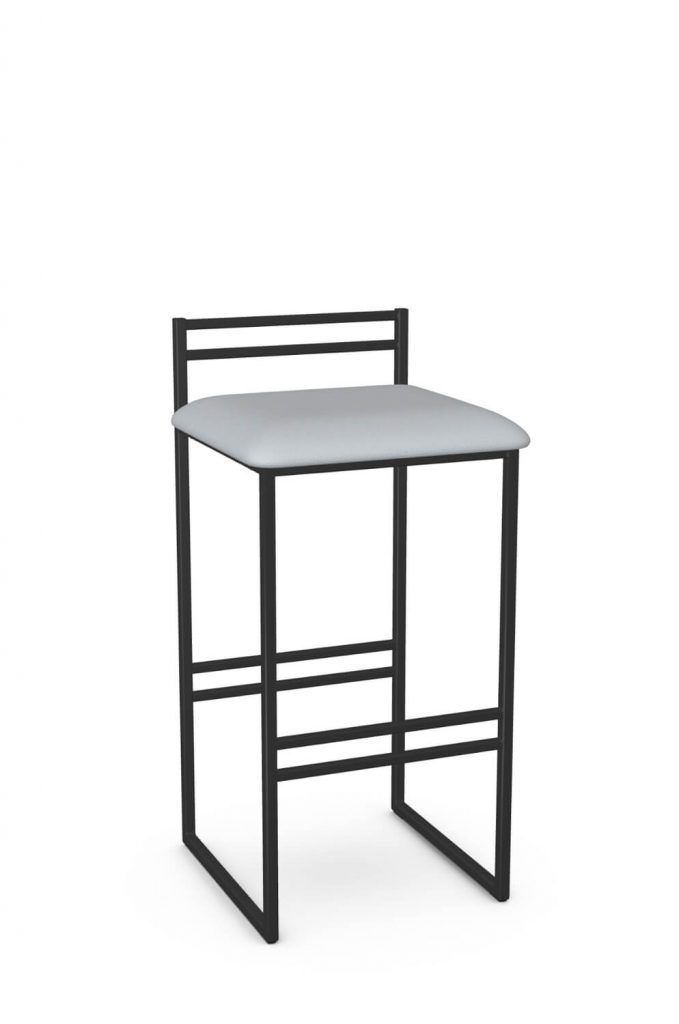
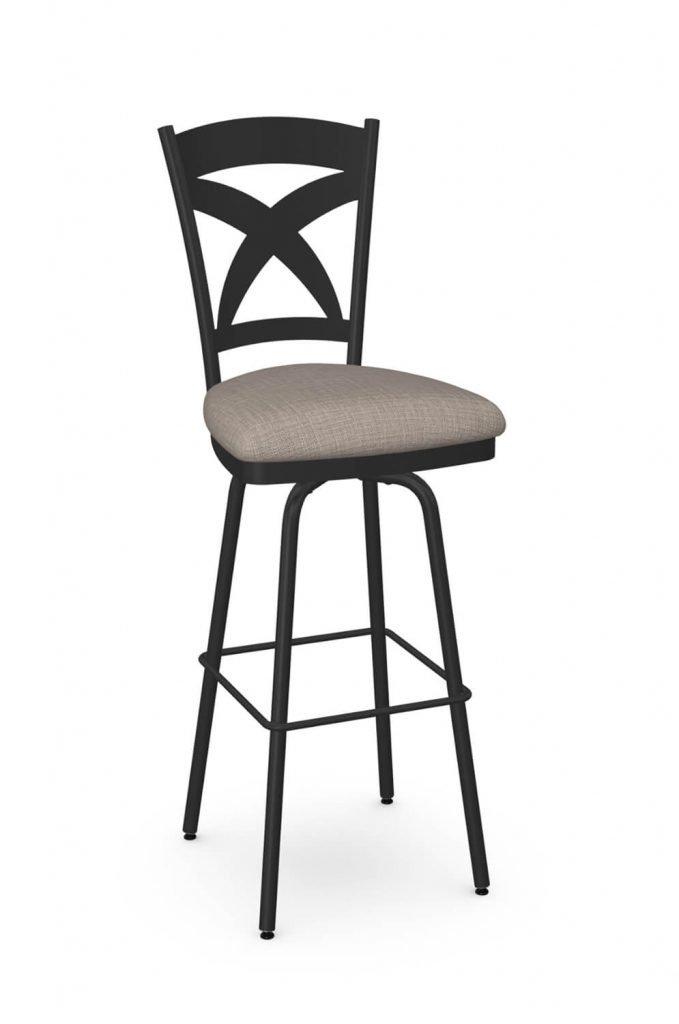
Narrow bar stools — typically 18 inches wide or less — allow you to maximize seating without overcrowding your space.
When planning spacing, narrow stools can comfortably follow the 24-inch center-to-center rule, and in some layouts, they provide just enough flexibility to fit one additional seat without compromising comfort.
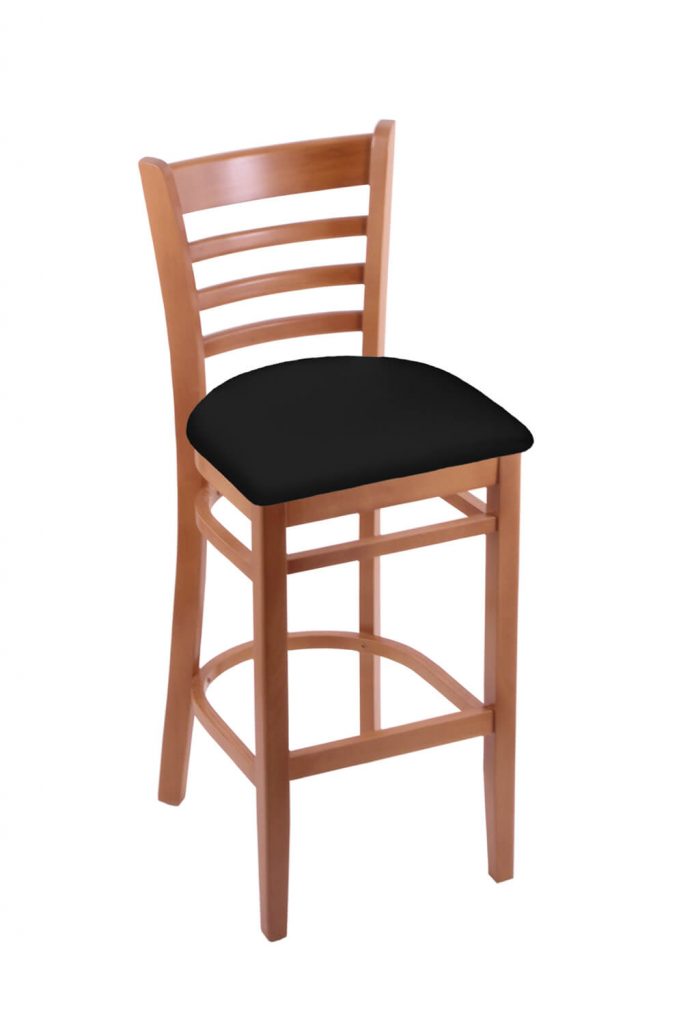
Quick Guide: Calculating the Number of Bar Stools for Your Counter
Time needed: 2 minutes
How many bar stools do I need?
- Measure the length of your counter in inches.
- Consider that standard bar stools are 16-21 inches wide.
Tip: Stools with arms may need an extra 2 inches of space.
- Allocate 24 inches of seating space for each person for optimal comfort.
- Divide your counter length by 24 to calculate the number of stools.
Example: A 72-inch counter divided by 24 equals 3 stools.
Note: If the ends of the island are open and there is no wall, you will have slightly more clearing for stools.
Frequently Asked Questions (FAQs)
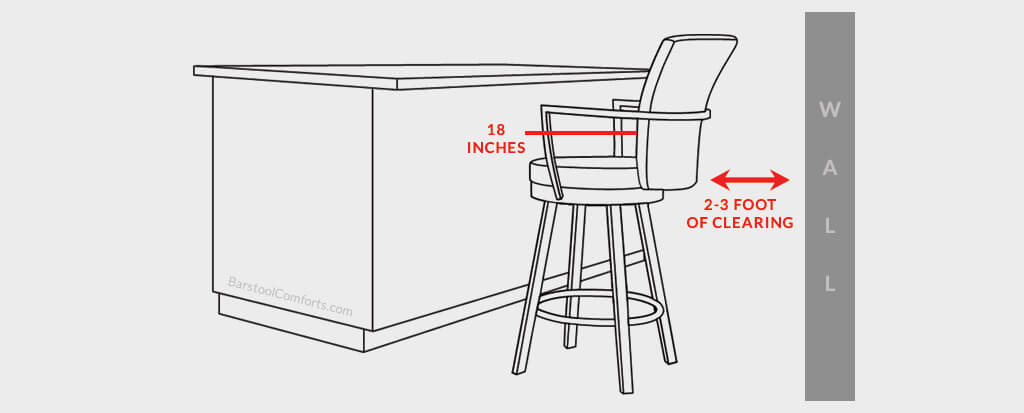
For basic ease of getting in and out of a stool, allow a clearance of 18 inches from the counter’s edge to the back of the stool. If you can provide 2 feet of space, it offers even more comfort. However, to allow individuals to walk behind someone already seated, a clearance of 3 feet is recommended.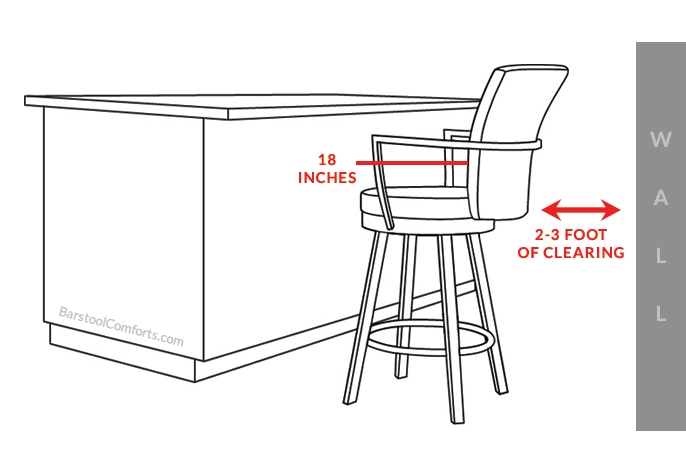
Aim for about 24 inches of space per stool from center to center. This gives everyone enough elbow room to sit and move comfortably. If your stools swivel or have arms, add an extra 2–3 inches between each seat to prevent bumping.
Measure the total length of your counter in inches, then divide by 24 to find how many stools fit comfortably. For example, a 72-inch counter ÷ 24 = 3 stools. If your stools have arms or swivel, plan on fewer stools to keep spacing comfortable.
You’ll want at least 96 inches (8 feet) of counter space to seat four people comfortably. That’s based on roughly 24 inches per stool. If your stools have arms or are wider than average, add a few more inches to avoid feeling cramped.
For four stools, your island should ideally be at least 8 feet long. This allows about 24 inches per seat plus a little breathing room at each end. If you prefer roomier spacing or have larger stools, 8½ to 9 feet is even better.
A 7-foot island is 84 inches long.
Using the standard 24-inch spacing rule:
84 ÷ 24 = 3 stools comfortably
If you’re using larger stools or stools with arms (30-inch spacing rule):
84 ÷ 30 = 2 stools comfortably
In most homes, a 7-foot island fits 3 standard bar stools.
Yes, swivel stools require slightly more space.
Because they rotate, add 2–3 extra inches between stools to prevent bumping into neighboring seats or the counter.
If using swivel stools with arms, follow the 30-inch center-to-center spacing rule for comfort.
The correct stool height depends on your counter height:
36-inch counter (Counter Height): 24–26 inch seat height
42-inch counter (Bar Height): 28–30 inch seat height
For comfortable seating, allow 10–12 inches between the seat and the underside of the counter.
Standard recommendation:
24 inches center-to-center for most stools
30 inches center-to-center for wide or armed stools
This ensures enough elbow room and prevents overcrowding.
Measure three key dimensions:
1. Seat Height – Floor to top of seat
2. Seat Width – Widest point of the seat (important for spacing)
3.Overall Height – Floor to top of back (if applicable)
For spacing purposes, use the seat width to determine whether you follow the 24-inch or 30-inch rule.
Time to Shop
Now that you have the correct measurements, it’s time to dig in and shop. Shop our collection of high quality custom-made bar stools:
Article updated on July 9 2026